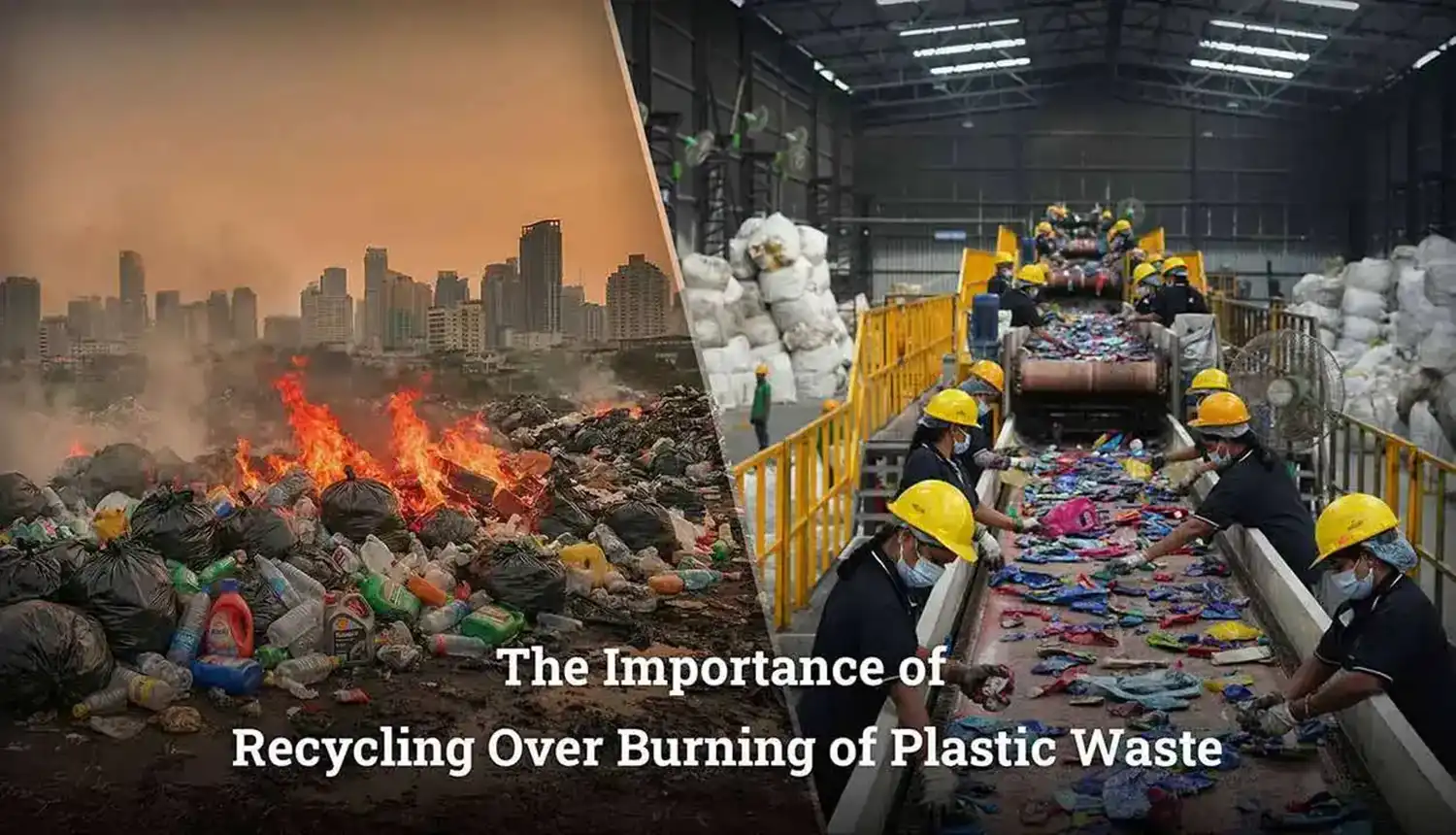
The worldwide problem with plastic has become so high that the current system of plastic disposal will determine the future of the planet in the next few centuries. It has always been thought that the view of smoke coming out of heaps of garbage was a mere method of creating an illusion of making trash vanish away but we have realized that burning plastic is one of the most dangerous things that humans can engage in. Compared to natural materials, synthetic polymers are made using fossil fuels and are put through thousands of chemical additives which when burned emit a mixture of airborne toxins. This burning plastic is mostly done in open air environments in the areas that do not have organized waste management systems where individuals think that they are addressing a waste menace, when the real problem is that they are simply transforming solid waste into enduring air pollution. These are dioxins and furans that are some of the deadliest chemicals in the world and can be carried thousands of miles till they eventually land in our earth and water. More than that, the heat of these fires does not simply burn the stuff, but forms soot of carbon-intensive material and black carbon that drives global warming much more quickly than CO2 does by itself. In the change with a circular economy, it is important to note that burning plastic is not a disposal option, it is a trigonist to environmental and biological catastrophe. When we use advanced recovery to destroy plastic instead of burning it, we save the food chain and our resources in the sense of their molecular value.
Introduction
When we are working towards ensuring that we are being sustainable, it would be important to be aware of the real cost of the waste disposal habits that we have. Although this may be a convenience in the short term, the outcomes of plastic burning leave a heritage of health and environmental harm that greatly exceeds the disposal convenience and effects of plastic burning. Analyzing the information, we can observe whether plastic recycling is safer as compared to burning. The response is a resounding yes because recycling conserves the value of material whereas burning emits the same as poison. We should find out why the consequences of plastic burning still exist and we should come up with more effective measures to change the way we do such negative activities.
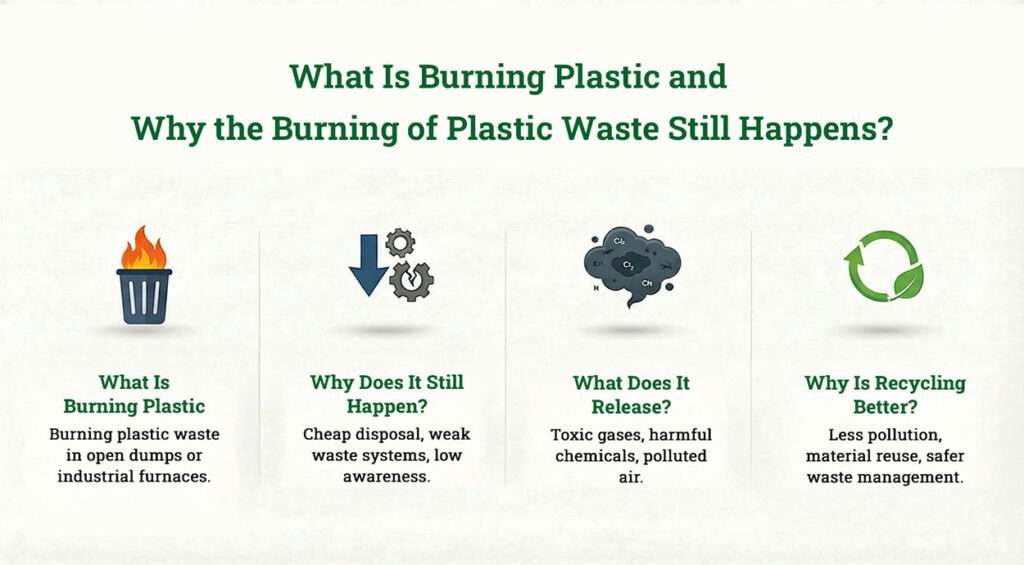
What Is Burning Plastic and Why the Burning of Plastic Waste Still Happens?
Why is recycling better than burning plastic? The incineration of plastic waste is the thermal decomposition of synthetic polymers in the fire, both in open heaps and industrial furnaces. The incineration of plastic waste is still a widespread phenomenon in most regions of the globe because the inhabitants are not mindful of the risks and effects of plastic burning associated with it and there is no alternative cheap waste collection system and an overall ignorance of the toxicity of the chemicals that are released during burning. This is called plastic incineration in most industrial facilities, which aims at trying to retrieve the energy but in most cases lead to the same production of toxic materials unless strictly monitored. It is common practice that people resort to burning plastic waste to empty spaces in landfills or just because it is the cheapest method, not noticing that burning plastic materials is one of the most costly and polluting methods of producing energy or disposing waste.
Effects of Plastic Burning on Human Health and the Environment
This practice has a devastating biological effect, since the effects of plastic burning do not only affect the immediate surroundings of the fire. Looking at the effects of burning plastic on environment, we find that its impact is a ripple effect which cuts across the entire eco system:
Breathing Problems:
Breathing in the smoke causes coughing, dyspnea, and pavilion in the long run.
Toxic Bioaccumulation
Dioxins have been introduced into the environment and they accumulate on plants and even the fat of animals, which eventually reaches human beings via meat and dairy goods.
Soil and Water Poisoning
The consequences of incinerating plastic waste include the influence on the environment at the ground level where the poisonous ash contaminates the ground with toxic substances such as lead and mercury.
Acceleration in the Climate
Plastic burns and releases black-carbon, which captures sunlight, and this contributes to heating the atmosphere much more than the normal greenhouse gases.
Why Plastic Incineration Is Harmful and Should Be Avoided
Industrial plastic incineration is commonly promoted as waste-to-energy, although in truth it is a waste-of-energy since it is destroying useful materials, which demands a lot of resources to be produced. Incinerating plastic waste should not be done due to the following reasons:
Ineffective Recovery of Energy
When plastic waste is burnt, it generates more CO2 per unit of energy than coal. Destruction of Materials: It builds a linear take- make-burn model instead of developing a circular economy.
Hazardous Residue
When plastic waste is burned, it causes toxic bottom ash which is a hazardous waste that needs special hazardous waste landfills.
Recycling is not encouraged
Large capacity plastic incineration facilities need a constant flow of waste to keep operating, and it is likely to make local governments unwilling to invest in superior sorting and recycling facilities.
Extreme Greenhouse Gas Effect
The impact of plastic incineration on the environment is that almost 3 tons of $CO 2 are released per ton of plastic that is burned.
Burning Plastic vs Recycling: Which Is the Safer Option?
Comparing the acts of incinerating plastic waste and recycling, we can conclude that the decision is obvious in terms of burning plastic effects on environment, safety and management of resources. When we ask, which is better, to burn or to recycle plastic, the statistics indicate that recycling uses less energy, which is up to 80% of the energy used to produce virgin plastic, and the burning just uses a fraction of the energy, but the material gets destroyed permanently.
In addition, is Recycling Plastic Waste safer as compared to burning plastic effects on environment? Yes, since the current mechanical recycling plants have closed loop water and air filtering systems to avoid release of toxins. The burning plastic vs recycling controversy has shown that recycling is the only solution where the plastic molecular structure is retained to be utilized in future.
Why Recycling Is the Better Choice?
The first move towards a cleaner future is to make a choice not to burn plastic. What is wrong with burning of plastic waste instead of recycling it? The main reason is that it lowers the process of extracting virgin oil. Each ton of plastic that we recycle saves us about 16.3 barrels of oil.
By not burning plastic, we would stop the emission of persistent organic pollutants (POPs) into the atmosphere. That is why recycling is better than burning of plastic waste: it transforms a pollutant into a resource, it generates jobs and promotes sustainable development of industries, instead of actual smoke.
Why Choose Banyan Nation for Recycling Instead of Burning Plastic Waste
We also offer an ultimate solution to avoid burning plastic at Banyan Nation where we will use high-end technology to clean and recycle post-consumer plastics into near-virgin quality resins. We aim to assist the brands to avoid burning plastic by providing a traceable and high quality supply of recycled polymers that comply with the world standards.
With our plastic recycling programs of burning the waste, we bring the informal waste sector into the formal value chain making sure that plastic will be safely collected and recycled. The recycling of plastic by burning technology that we practice will be based on ensuring that the contaminants get eliminated at molecular level hence making our burning plastic solution a good choice to usher in a sustainable future, both environmentally friendly as well as economically viable.
Conclusion
The impact of plastic burning is a stern indication of the fact that our present disposal patterns have to be altered. It is high time we stop considering burning of plastic waste as an option where the lives of our children and the environment are involved.The plastic crisis can finally be resolved by selecting the burning plastic recycling and joining the leaders of the circular economy. The time has come to stop burning plastic and start using cleaner and safer and smarter way of recycling.
FAQ's
Is burning plastic considered a recycling method?
No, it is a form of waste disposal or energy recovery. Is plastic recycling safer than burning ? Absolutely not; it destroys the material and creates toxic pollution, whereas recycling keeps the material in use.
What happens when plastic waste is burned?
When burned, plastic releases toxic gases like dioxins, furans, and heavy metals. This burning of plastic waste also contributes significantly to climate change by releasing massive amounts of carbon dioxide and black carbon.
How to prevent burning of plastic?
The best burning plastic solution is to establish efficient waste collection and waste segregation at the source. By providing communities with access to recycling facilities, we make it easier for them to choose the safer path.
Why is recycling better than burning plastic?
Is burning plastic better than recycling? Recycling is the superior choice because it conserves energy, reduces the need for fossil fuel extraction, and prevents the negative effects of plastic waste burning from entering our air and food supply.
Making recycled packaging the norm.
CITATIONS:
- Banyan Nation. (2025).
What Are the Benefits of Plastic Recycling?
Retrieved from:
https://www.banyannation.com/blog/benefits-of-recycling-plastics/ - Oceana Canada. (2022).
Burning plastic is not a recycling solution; it’s more pollution.
Retrieved from:
https://oceana.ca/en/blog/burning-plastic-is-not-a-recycling-solution-its-more-pollution/ - Greenpeace UK. (2022).
Why burning plastic won’t solve the plastic crisis.
Retrieved from:
https://www.greenpeace.org.uk/news/incineration-burning-plastic-crisis/ - Wisconsin DNR. (n.d.).
Environmental and health impacts of open burning.
Retrieved from:
https://dnr.wisconsin.gov/topic/OpenBurning/Impacts.html - Plastics for Change. (2025).
The Toxic Truth: Why Burning Plastic Waste Is a Health and Environmental Disaster.
Retrieved from:
https://www.plasticsforchange.org/blog/can-plastic-waste-be-disposed-of-by-burning
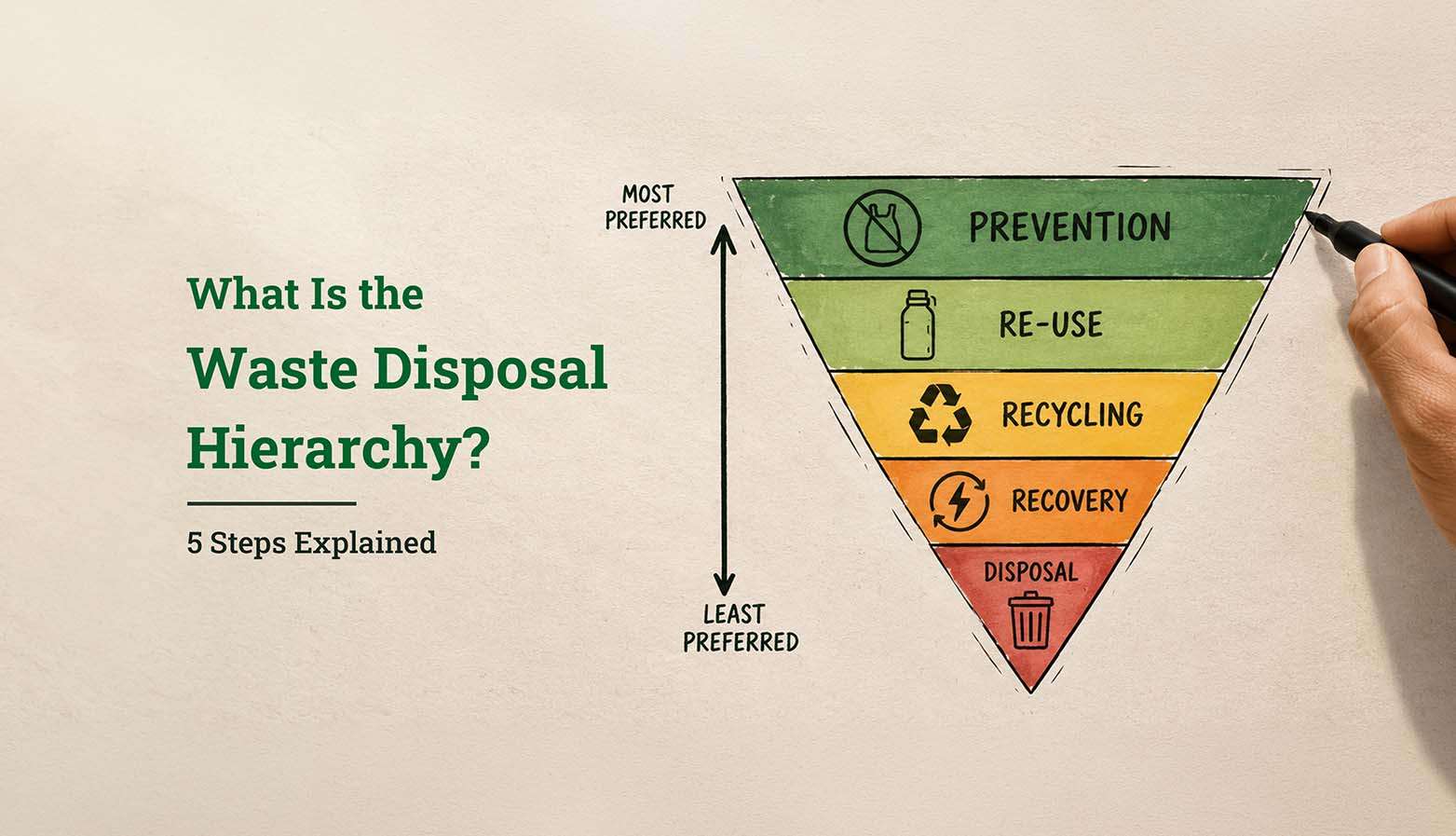
 What Is the Waste Disposal Hierarchy? 5 Steps Explained
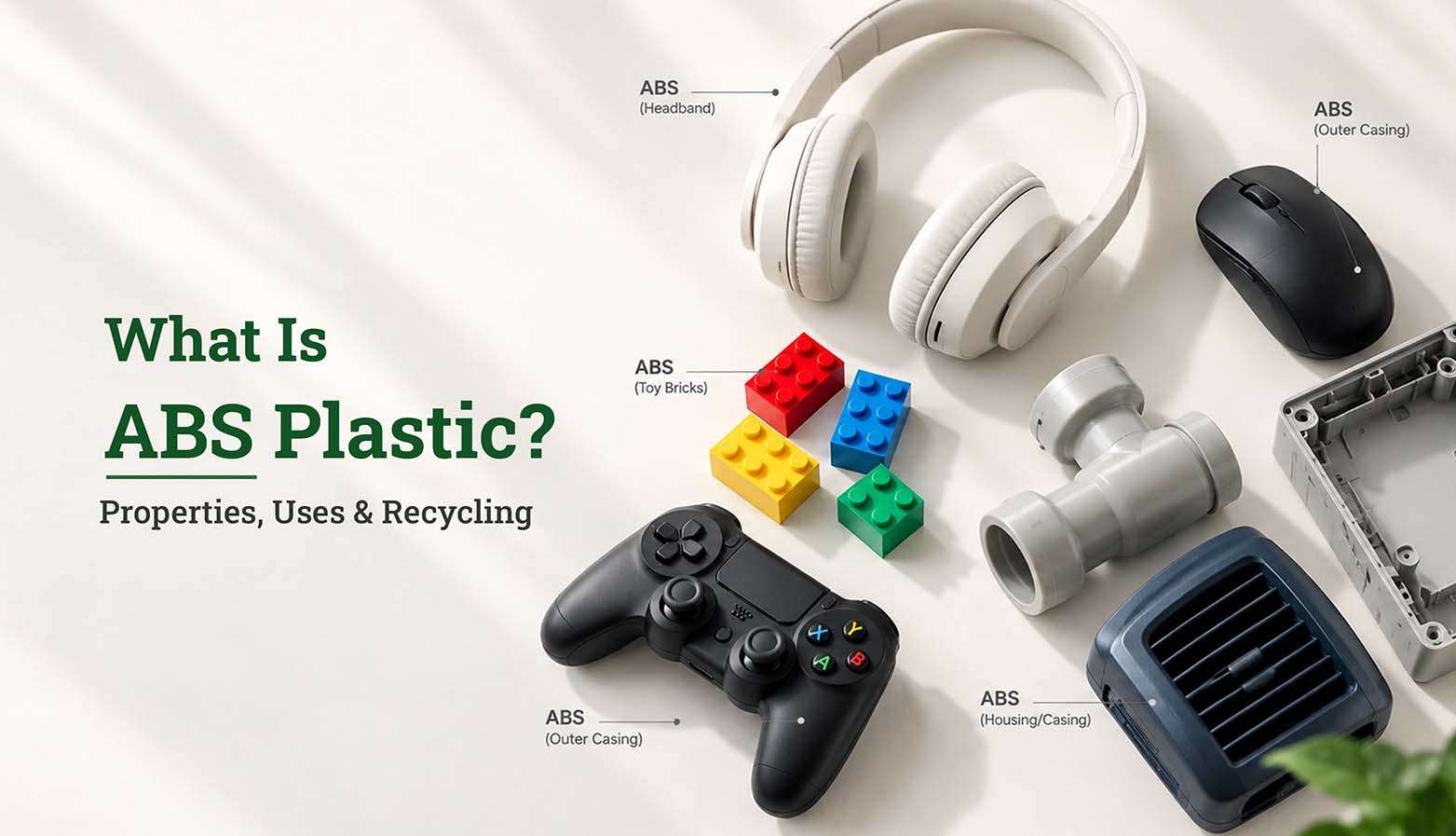
 What Is ABS Plastic? Properties, Uses & Recycling
 International E-Waste Day 2026: What It Means and How to Take Part
 What is Waste Disposal: Methods, Types, and Real-World Examples
 What Is Polyolefin? Types, Properties, Uses and Recyclability