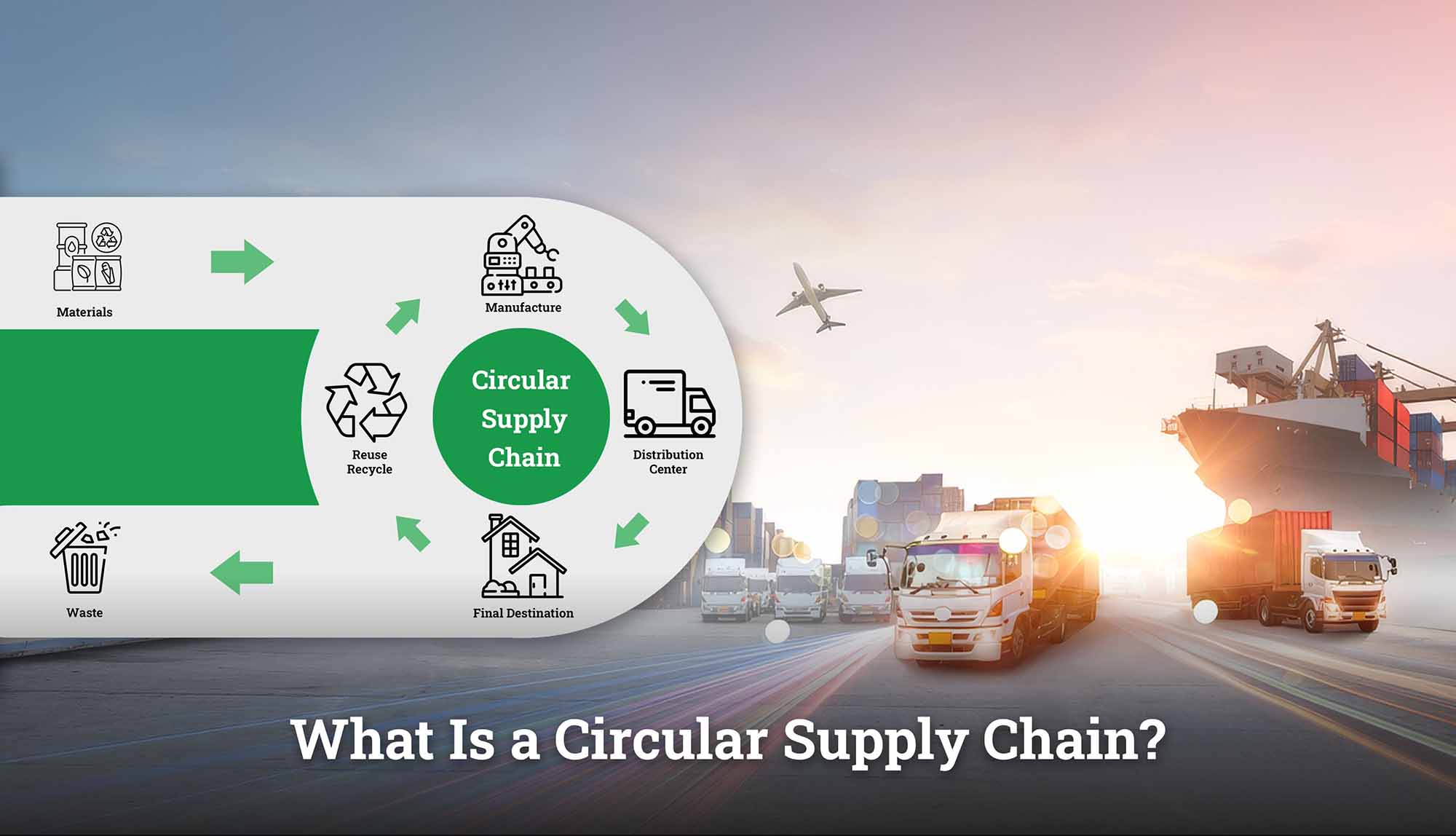
The economy has been able to operate in the classic industrial setting more or less on the philosophy of a take-make-dispose approach, yet the introduction of the circular supply chain is essentially redefining the storyline. In its simplest form, a circular supply chain represents a restorative and regenerative approach in which the value chain keeps the products, materials, and resources as long as possible. Rather than the end of the life of a product with a view of disposing of it, this model regards this as a new start- a source of quality raw material that can be used in the subsequent production cycle. It is not just an environmental decision, but a business strategic development that should help to eliminate the risks of resource shortage, fluctuating commodity price, and growing regulatory demands concerning waste management. A circular supply chain will ensure that all the molecular value of the materials, particularly the plastics and metals, are not wasted and sent to landfills or even the oceans; by incorporating the use of advanced recovery technologies and reverse logistics. This change is necessitating a total re-evaluation of product design, sourcing, and customer interaction which is meant to be long-term resource-stewardship rather than short-term consumption. To be able to work, a circular supply chain needs the network of stakeholders to be considerable, waste pickers and recyclers, brand owners and consumers working in a synchronized cycle. By 2026, the global brands will no longer have the ability to choose whether or not to adopt this model; it is the foundation of sustainable growth and business resilience in the world with limited resources.
Introduction
Circular logistics has become an essential solution as the international industries struggle with the dual challenge of environmental degradation and increased costs. Circular logistics emphasizes reuse and reclamation of materials as opposed to traditional systems that concentrate on only forward flow of goods streams and convert waste flows into secondary resource streams.
By adopting these systems, companies will be able to:
- Decrease their reliance on virgin raw materials.
- Fulfil high-performance Extended Producer Responsibility (EPR).
- Strengthen brand loyalty of conscious consumers.
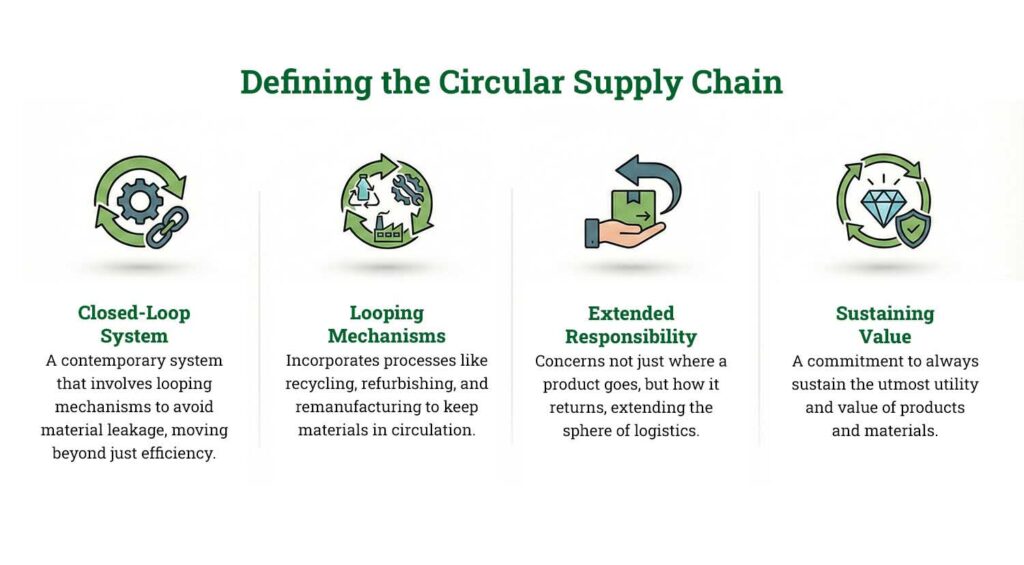
Defining the Circular Supply Chain
In order to get the definition of the circular supply chain, it is necessary to consider it as the closed-loop system. Although a conventional circle of supply chain denotation is associated with efficiency and cost-cutting, the contemporary definition involves the looping mechanisms like recycling, refurbishing, and remanufacturing to avoid leakage of the materials.
Circular supply chain definition is simply an extension of the sphere of responsibility. Circular logistics in supply chain is not only concerning where a product is taken, but it is about how it returns. The sense of the circular supply chain when we examine it, we observe it as a promise to sustain the utmost utility and value of the products always.
Business Model for a Circular Supply Chain
In order to design an effective circular supply chain management plan, it is necessary to alter the underlying model of business in a circular supply chain. Companies are shifting towards selling products and at best, assuming responsibility for the entire lifecycle of the product.
An effective circular supply chain management normally includes:
Product as a Service (PaaS)
The customer rents the service of a product, the manufacturer remains the owner of the product, and the recovery is done by the manufacturer.
Incentivized Return
This is where discounts or credits are given to the consumers who turn in used packages or electronics.
Design for Recyclability
Designing products so they can be easily dismantled or separated by the system of the circle supply chain management.
A successful circular supply chain management will make the circular supply chain model to be profitable through reducing the long-term cost of acquiring raw materials.
Benefits and Importance of a Circular Supply Chain
The circular supply chain benefits are multifaceted, impacting the bottom line. The advantages of Circular logistics in supply chain adoption are not one-dimensional, and they influence both the bottom line and the planet. Once companies switch to a circular supply chain design, they open up new sources of innovations.
The major advantages in circular logistics in supply chain are:
- Cost Savings: This will save the cost of using virgin materials.
- Risk Mitigation: Insuring the company against supply chain shocks and delivery of material.
- Environmental Impact: Massively decreasing the carbon footprint and plastic waste.
- Regulatory Compliance: without any difficulty, fulfilling national and international waste management requirements.
Circular supply chain systems also have a positive effect on investor relations because ESG (Environmental, Social, and Governance) scores will become one of the key indicators of financial performance. Moreover, circular supply chain advantages spread to the society through the establishment of local jobs in sorting and processing plants.
The Rise of Circular Logistics in the Supply Chain
Circular logistics is the backbone of any closed-loop system in the supply chain processes. The loop will remain open without the possibility of transporting materials in a reverse direction, between the consumer and the processor. Circular logistics implies the special treatment of used products, where they are not contaminated during their transportation.
Circular logistics can be integrated in supply chain management, which enables:
Reverse Logistics
The effective collection of post-consumer waste at the household level.
Traceability
Technology can be used to trace the supply chain circularity of the finished resin of recycled origin to the point of collection.
Efficiency
Reducing the carbon footprint of the recovery process itself.
Circular logistics is the driving force behind functional circular supply chain examples making it physically possible to have a circular supply.
Strategies to Create a Circular Supply Chain
A circle of supply does not just come by simply changing an attitude but that of a structural overhaul. In order to introduce the example of the circular supply chain into their working plans, companies need to concentrate on the following strategies:
Material Substitution
The use of non-recyclable multi-plies should be substituted with the mono-materials which facilitate a circular supply.
Partnership Ecosystems
Collaborating with circular supply chain businesses to make sure that waste has been upgraded into quality feedstock.
Data-Driven Sorting
This is the idea of using AI and IoT to enhance the purity of recovered materials which is the feature of successful examples of a circular supply chain.
Businesses can get ideas on how to replicate these strategies on global markets by learning on the existing circular supply chain examples.
Why Banyan Nation Is One of the Leading Circular Supply Chain Companies in India
Banyan Nation is unique in the context of the circular supply chain companies as it is the only company that is filling the gap between the informal waste market and the global brands. We do not simply recycle but we enable a fully circular supply chain business model to our partners. Being one of the most recognized circular supply chain firms in India, we offer:
Better Plastic™
rPE and rPP of high quality that can be used as an alternative to virgin plastic in primary packaging.
Traceable Supply Chains
This is a digital platform that guarantees all kilograms of plastic are sourced ethically.
Technical Expertise
Assistance of the brands to re-engineer their packaging to be placed within a circular supply chain business model.
Conclusion
The most notable industrial change of the 21st century has been the shift to a circular supply chain companies. Circular logistics represents the way in which businesses can safeguard their future in a world that is growing more resource-constrained by the adoption of the peril that is the linear trap of take-make-waste. The shift to supply chain circularity is a win to all whether it is in the benefits of the circularity supply chain in terms of cost reduction or the social benefits of formal waste collection. The companies such as Banyan Nation are demonstrating that a circular supply chain model is no longer a dream of the future, it is a profitable reality today.
FAQ's
What Are the 7 Rs of a Circular Supply Chain?
The 7 Rs are: Refuse, Reduce, Reuse, Repair, Refurbish, Remanufacture, and Recycle. These principles guide circular supply chain management to ensure materials never become waste.
What Are Examples of a Circular Supply Chain?
Common circular supply chain examples include beverage companies using 100% rPET bottles, fashion brands offering repair services for their garments, and technology firms that harvest rare earth metals from old smartphones.
What Is the Difference Between a Linear and Circular Supply Chain?
A linear supply chain follows a “Take-Make-Dispose” path where value is lost at the end. In contrast, circular supply chain meaning ; a loop where waste is repurposed as a resource for new production.
What Are the Four Types of Supply Chain Management?
While there are many frameworks, the four common types are: Continuous Flow, Fast Chain, Efficient Chain, and the newly essential Circular Supply Chain.
Making recycled packaging the norm.
CITATIONS:
- Inbound Logistics.
Circular Supply Chain: Definition, Components, and Benefits.
Retrieved from:
https://www.inboundlogistics.com/articles/circular-supply-chain-definition-components-and-benefits/ - Ellen MacArthur Foundation.
The Circular Economy In Detail.
Retrieved from:
https://www.ellenmacarthurfoundation.org/the-circular-economy-in-detail-deep-dive - Gartner.
The Future of Supply Chain: Circularity.
Retrieved from:
https://www.gartner.com/en/supply-chain/topics/future-of-supply-chain
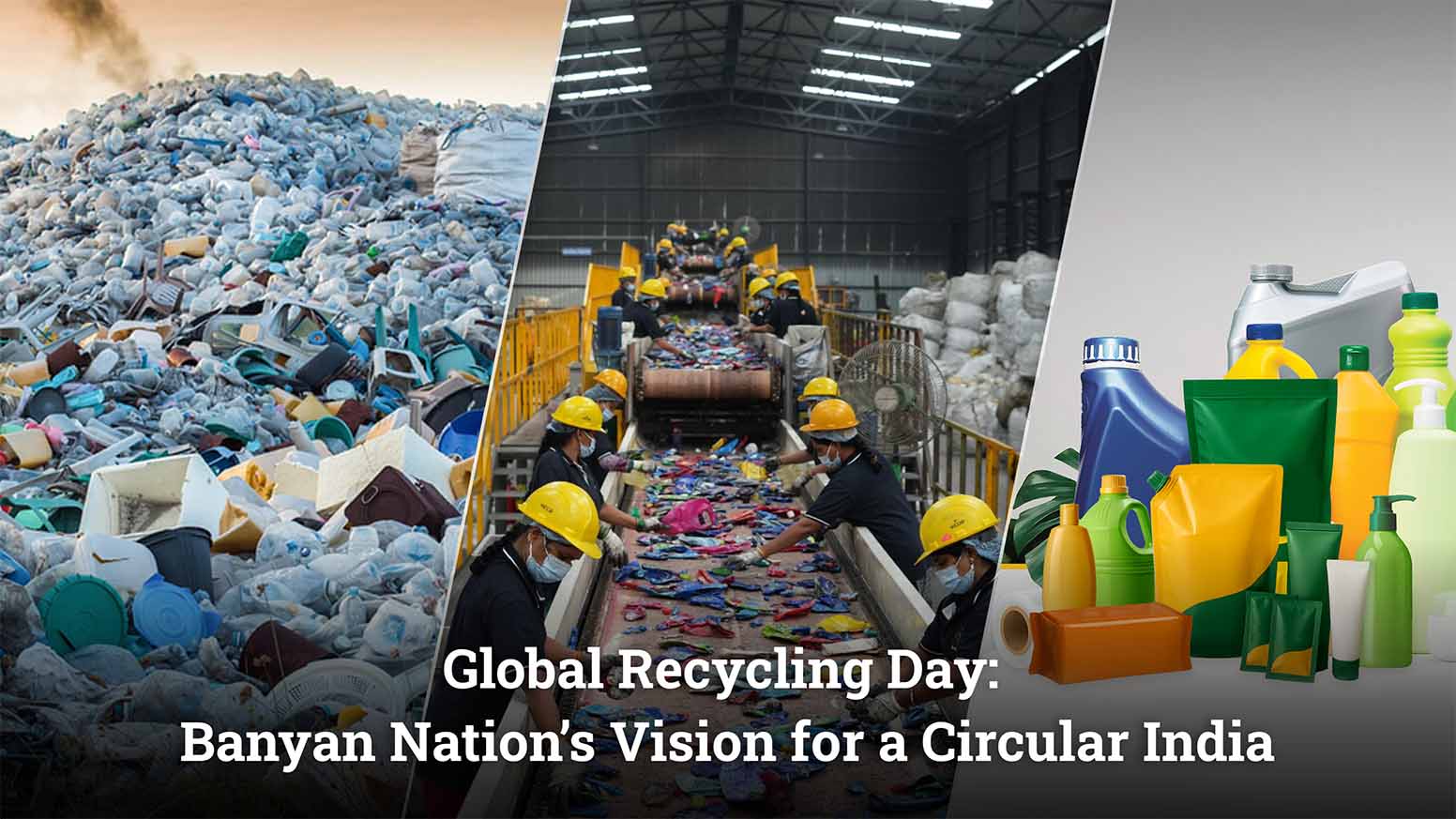
 Global Recycling Day: Banyan Nation’s Vision for a Circular India
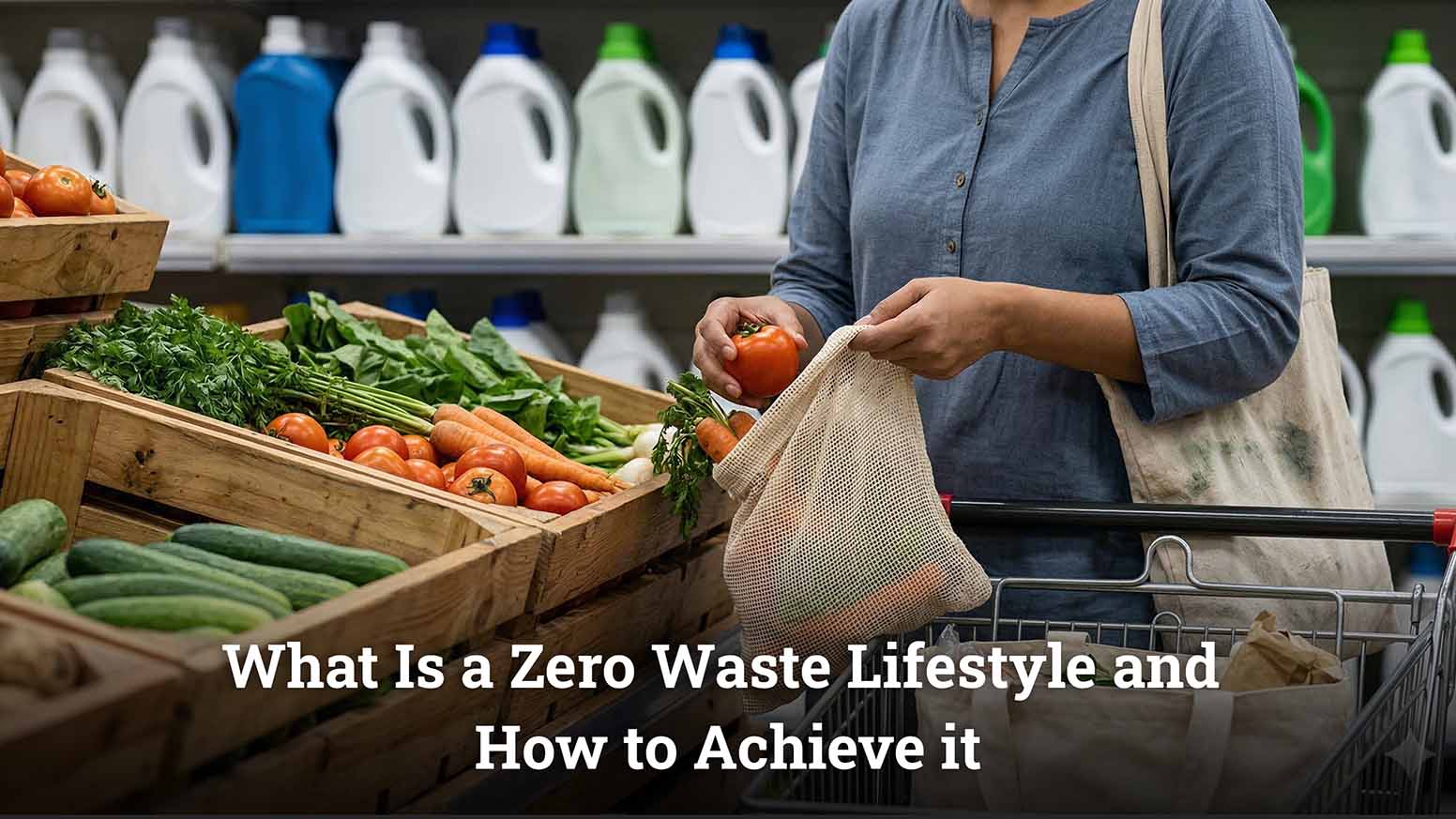
 What Is a Zero Waste Lifestyle and How to Start: A Step-by-Step Guide for Beginners
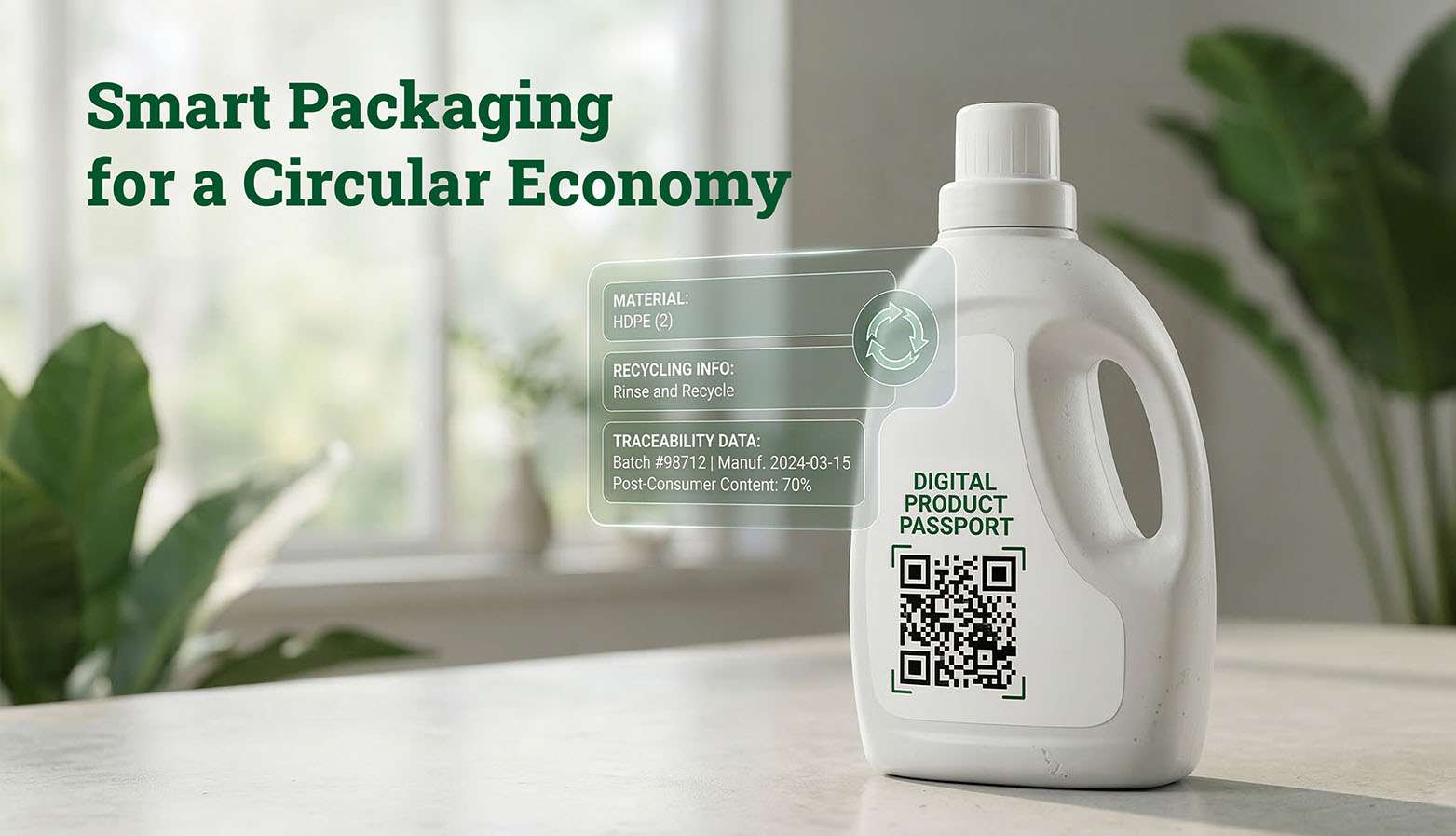
 Smart Packaging for a Circular Economy
 What Is a Material Recovery Facility (MRF)?
 Plastic Contamination: Causes, Effects, and the Role of Recycling