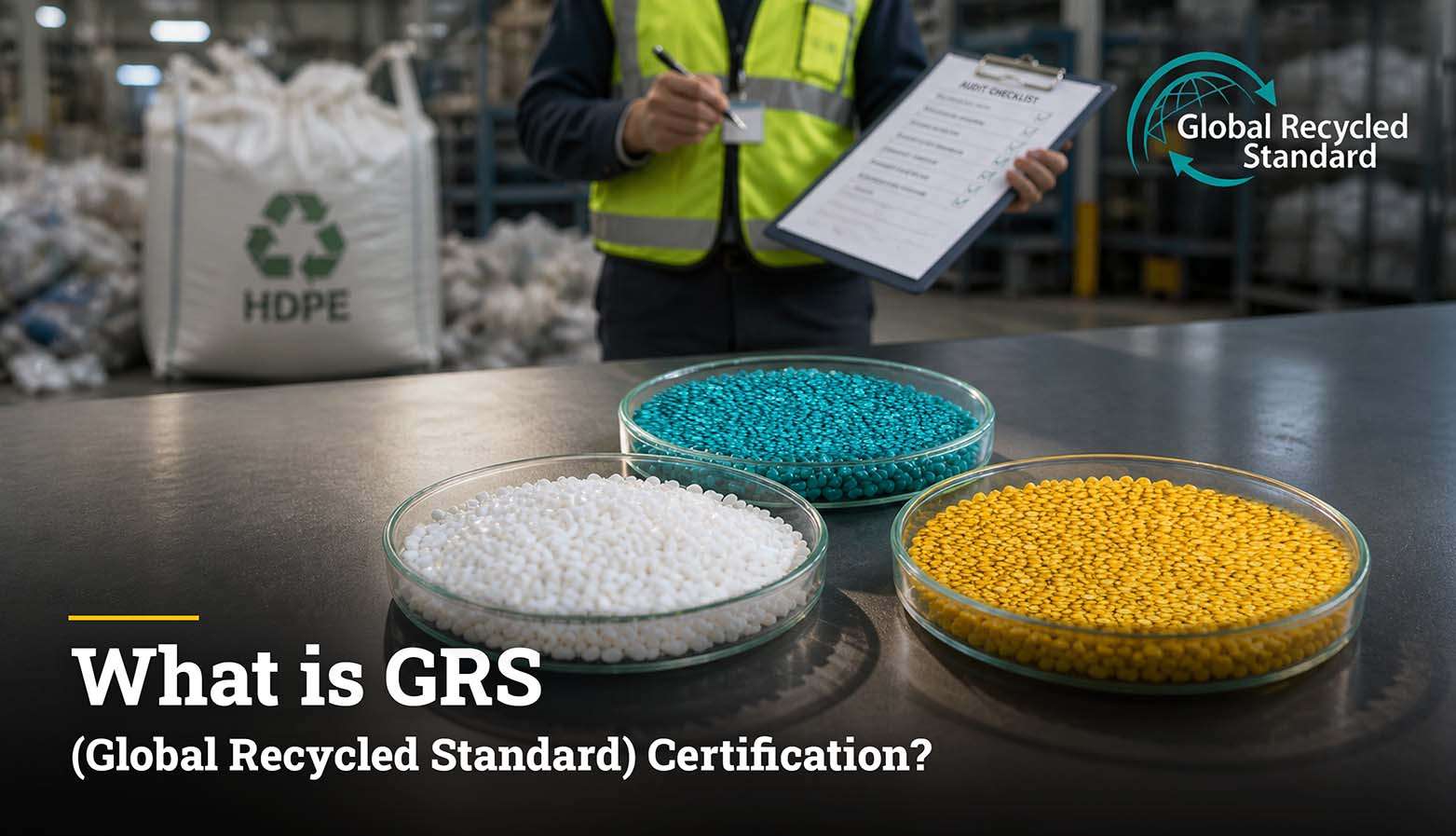
During the contemporary era of industrialization, transparency is the foundation of sustainability, and the grs certificate has become the most reliable gold standard in checking the recycled content in products. The grs certificate (Global Recycled Standard) is a global standard, voluntary and full-product standard that imposes strict conditions of third-party certification of recycled input, chain of custody, social and environmental practices and chemical restrictions. Originally developed by Textile Exchange, the grs certificate is designed to meet the needs of companies looking to verify the recycled content of their products (both finished and intermediate) and to verify responsible social, environmental, and chemical practices in their production. The aim of the grs certificate is to establish requirements which will guarantee correct content claims and good working conditions and will reduce harmful environmental and chemical effects. This certification will be especially imperative in 2026 because consumers around the world and regulators will require greater accountability; this certification offers a professional framework that will trace the content of the recycler to the final brand. With a grs certificate, a company can demonstrate that they are not only greenwashing but are in fact, engaging in a certified circle economy, which does not harm the planet or the people who are involved in the production.
Introduction
The requirement of a credible grs cert has become an indispensable condition of brands expanding their reach to international markets as the global supply chains become more and more complex. A grs cert is an international language of trust and therefore business can express its environmental promises with complete confidence.
Grs cert will guarantee:
- Chain of Custody: Visible trace of materials between the source and the end product.
- Environmental Integrity: There are strict wastewater treatment and energy consumption standards.
- Social responsibility: Checking fair compensation, safe working environment and rights of workers.
GRS Certificate Meaning
In the quest to tell the meaning of grs certificate, it should be perceived as a seal of approval in totality. Although most certifications simply examine the content, the grs certificate meaning takes into account the whole production life cycle, including the chemicals involved in the recycled material.
Delving into the grs certificate meaning, we observe that it is based on the global recycle standard framework, which stipulates that at least 20% of any product needs to be recycled to obtain the certification, although 50% of the product is needed to display the GRS logo on consumer-facing packaging.
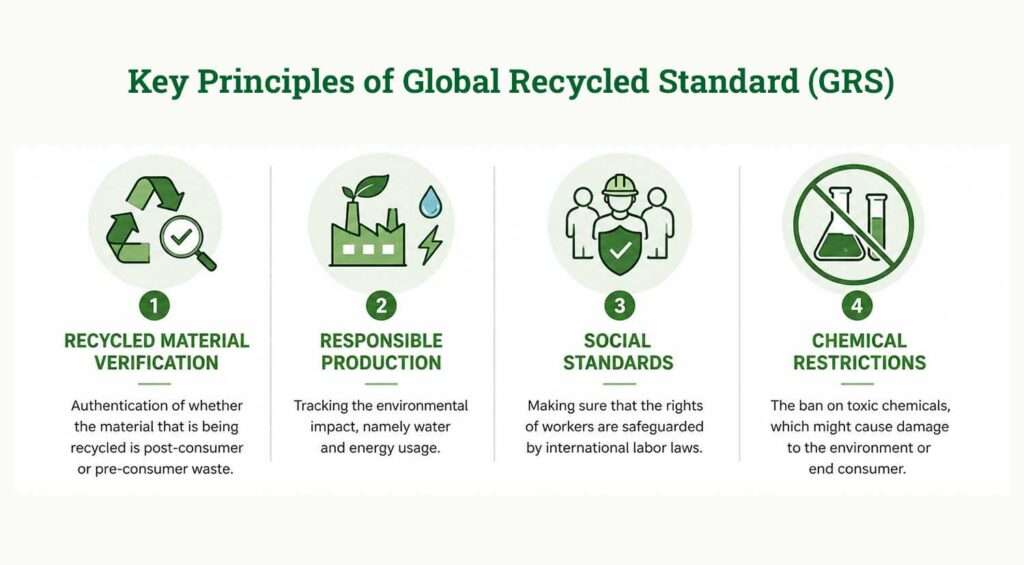
Key Principles of Global Recycled Standard (GRS)
There are four pillars of the global recycle standard that guarantee that all its certified products are of high ethical and ecological standards. These principles render the global recycle standard as one of the most comprehensive in the world.
- Recycled Material verification: Authentication of whether the material that is being recycled is post-consumer or pre-consumer waste.
- Responsible Production: Tracking the environmental impact, namely water and energy usage.
- Social Standards: Making sure that the rights of workers are safeguarded by international labor laws.
- Chemical Restrictions: The ban on toxic chemicals, which might cause damage to the environment or end consumer in the process of grs recycling.
Types of GRS Certification
In the case of grs certified companies, two main forms of grs certification documents exist, which have to be handled to ensure compliance. These types of grs certification are crucial in understanding logistics.
Scope Certificate (SC)
The first document that establishes whether a facility can be able to process GRS-compliant materials is the scope certificate. It demonstrates that the company is equipped with the right systems, social norms, and environmental regulations.
Transaction Certificate (TC)
Each separate shipment of goods is provided with a transaction certificate. It is the invoice of sustainability, to connect a certain lot of material with a certified scope certificate to make sure the chain of custody is not broken.
Who Needs GRS Certification?
Any organization in the supply chain—from the initial grs recycling facility to the final garment or packaging manufacturer—needs global recycled standard certification. This includes traders and wholesalers who take legal ownership of the goods. For grs certified companies, having this label is a massive competitive advantage, as it opens doors to partnerships with the world’s top eco-conscious brands.
GRS Certification Process
The grs certification process is a thorough journey of audits and documentation. To receive a global recycled standard certificate, a company must be prepared for complete transparency.
The grs certification process typically involves:
- Application: Choosing an accredited certification body and submitting company data.
- Self-Assessment: Reviewing internal social and environmental policies against GRS standards.
- On-Site Audit: An inspector visits the facility to verify grs recycling practices and interview staff.
- Certification Decision: If the audit is successful, the global recycled standard certificate is issued.
GRS Certification for Recycling Industry
In the recycling sector, global recycled standard certification is the ultimate proof of quality. It separates professional operations from informal ones. By obtaining a global recycled standard certificate, a recycler can prove to global FMCG brands that their resin is ethically sourced and processed under the strictest environmental controls.
How Banyan Nation Supports GRS Compliance
Banyan Nation boasts of being one of the topmost grs certified companies in India. We know that our partners require a trusted transaction certificate with each and every batch of Better Plastic™ they buy. The grs certification process is also smooth to our clients with our vertically integrated system and digital traceability tools, thus ensuring that your shift towards recycled content is completely verified, audited and prepared to take the stage in the global arena.
Conclusion
The grs certificate is not an ordinary piece of paper, but a promise to a better world, a cleaner one. Businesses can be instrumental in the circular economy by comprehending the grs certificate meaning and following the global recycle standard. Banyan Nation can guide you through the choices of the grs certification or find grs certified companies to work with, but in any case, we are going to be the first to show you verified, high-impact recycling.
FAQ's
Who issues GRS certification?
Certification is issued by independent, third-party accredited bodies such as Control Union, IDFL, or Intertek, who are authorized by Textile Exchange.
How long does the GRS certification process take?
The grs certification process usually takes between 6 to 12 weeks, depending on the readiness of the facility and the schedule of the auditors.
Why is GRS important for recycling companies?
It provides the necessary proof of “Chain of Custody,” allowing recyclers to sell their materials at a premium to brands that require third-party verification for their sustainability reports.
Making recycled packaging the norm.
CITATIONS:
- Textile Exchange. Global Recycled Standard (GRS) Implementation Manual.
- Control Union. Guide to GRS Certification for Manufacturers.
- Sustainable Apparel Coalition. The Impact of Third-Party Certification on Global Supply Chains.
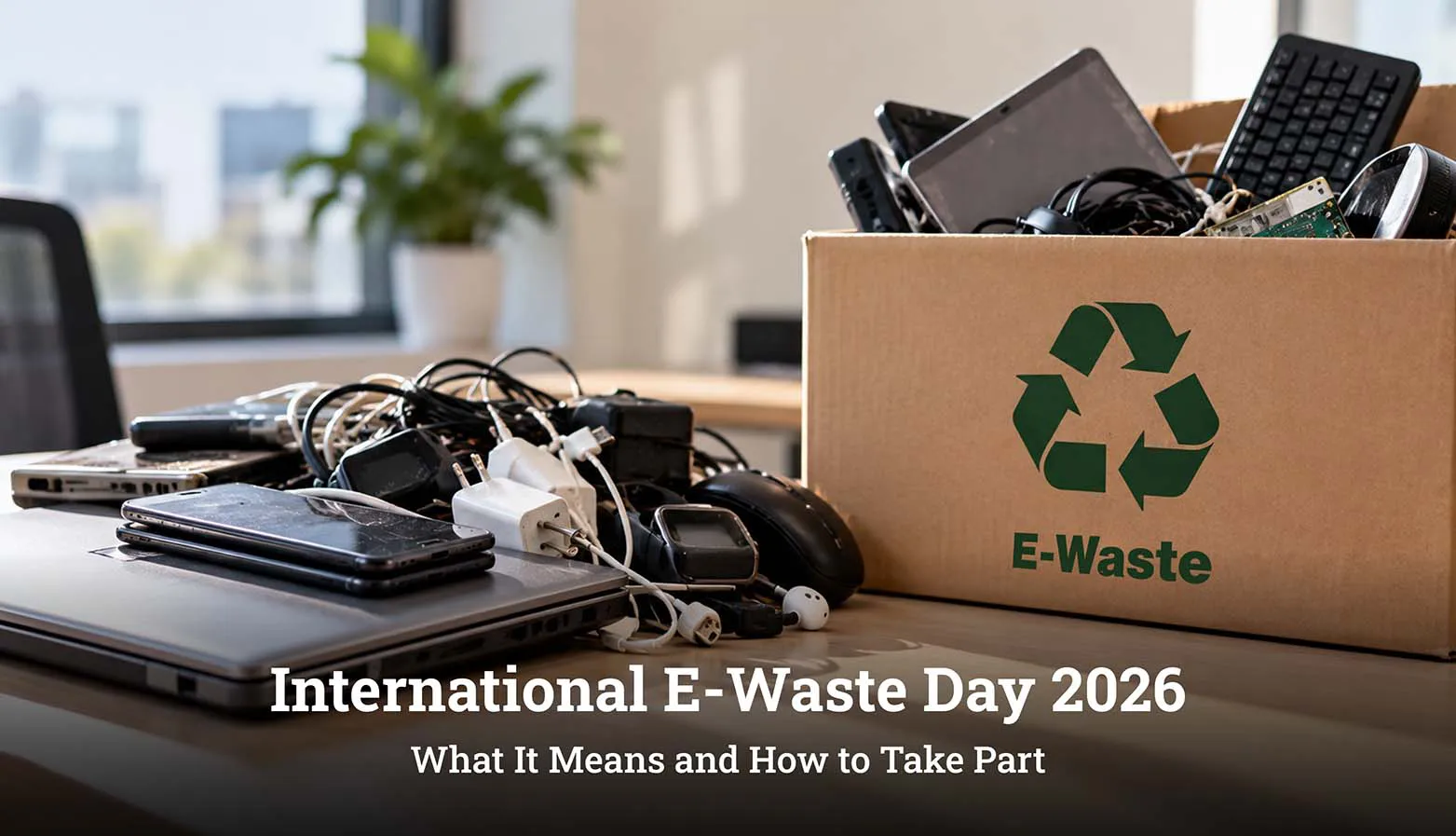
 International E-Waste Day 2026: What It Means and How to Take Part
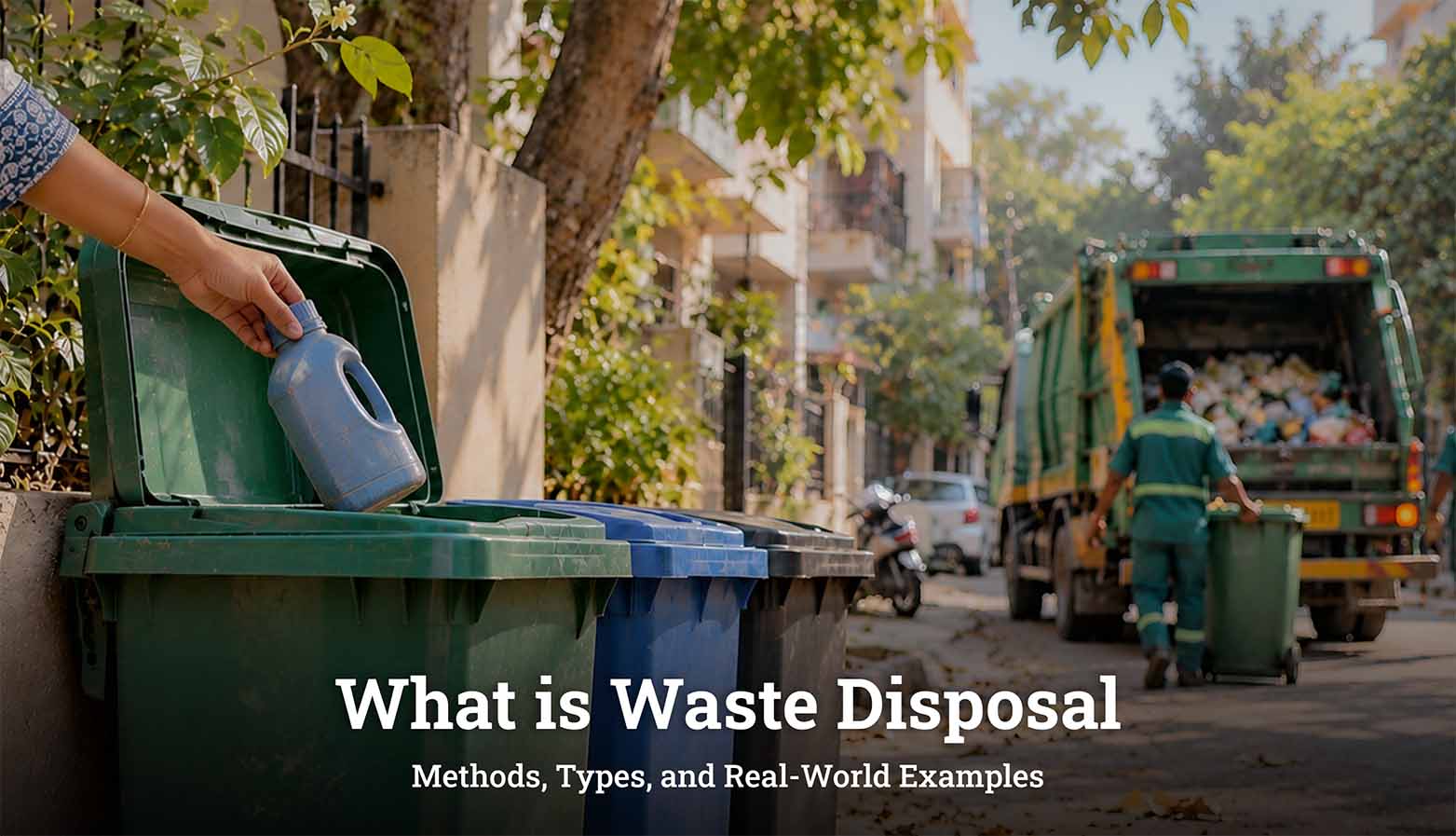
 What is Waste Disposal: Methods, Types, and Real-World Examples
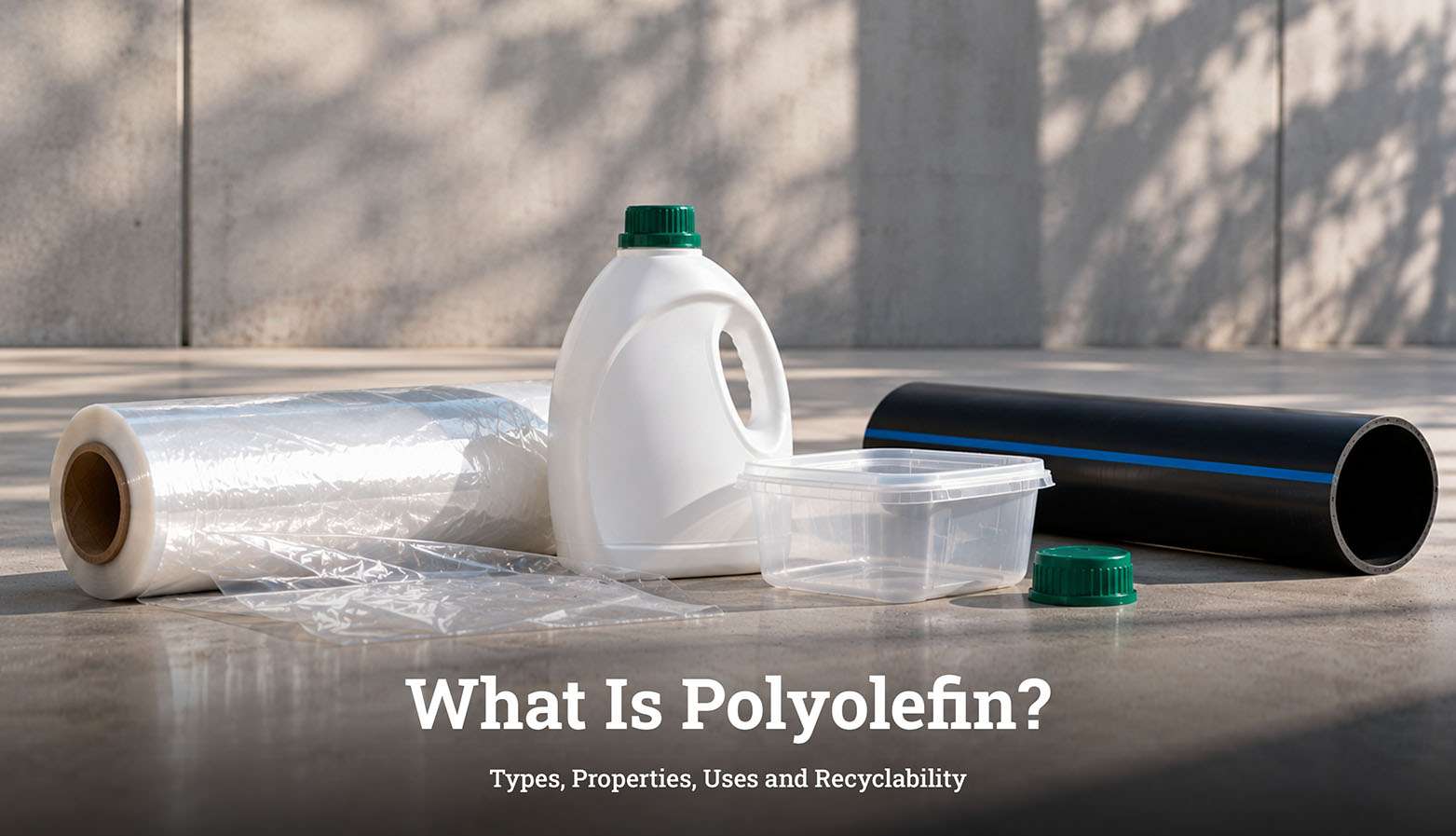
 What Is Polyolefin? Types, Properties, Uses and Recyclability
 World Rivers Day 2026: Date, Theme, History and How to Take Part
 Zero Emissions Day 2026: What It Is, Why 21 September and How to Take Part