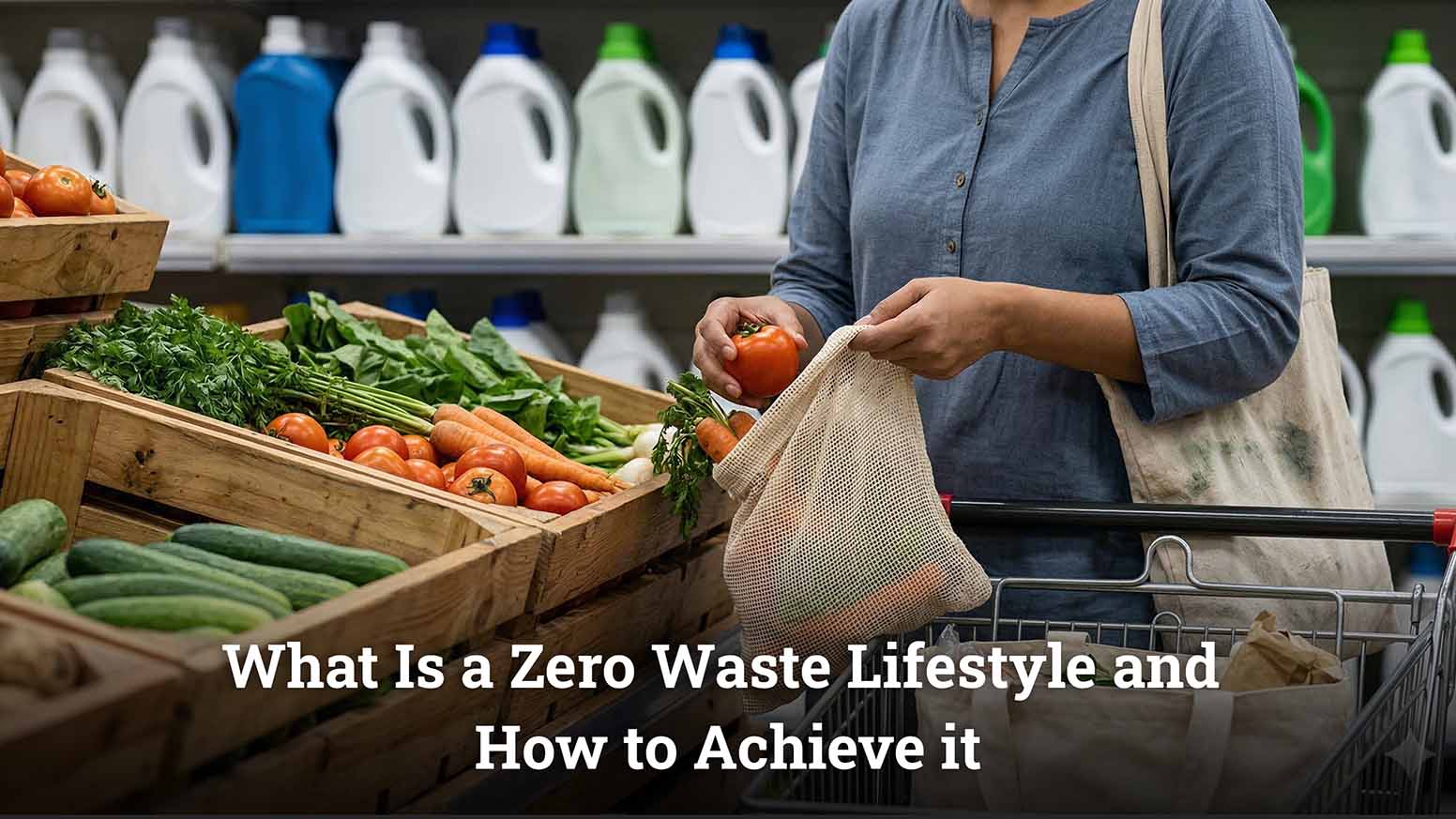
With the environmental footprint of humanity being more noticeable than ever, a zero waste way of life has shifted into becoming an underground hobby and is now an essential practice across the world. Billions of tons of waste go to landfills, incinerators, and our oceans every year, and this creates a systemic crisis that is threatening the biodiversity and health of humans. The point of the zero waste lifestyle is not to create nothing at all, which is simply impossible in our industrial modern context, but to rethink the relationship with consumption in the first place. zero waste lifestyle is a question of changing a linear model of a take-make-waste approach into a circular model where all resources will be perceived as valuable resources, and not as something that can be discarded. By doing so, people object to the culture of convenience that has taken over the past century and instead prefer mindfulness and deliberate action. It is important to note that the process of going zero waste requires a thorough audit of the daily life of a person, beginning with how the person buys groceries to how the individual handles their digital waste. It asks us to take the 4 Rs– Refuse, Reduce, Reuse, and Recycle and use them in that particular sequence. Although the shift can be overwhelming, it has a far-reaching effect in the long-term perspective. Not only does it act as an excellent way of cutting down on your own pollution of the planet, including the emission of greenhouse gases, but it also can frequently result in a more thrifty, healthy and satisfying life. This zero waste lifestyle has been a strong means to vote with your wallet to a more sustainable future, a cleaner world, which shows that, when performed by millions, individual actions can really make a difference in the world.
Introduction
The world of sustainability may seem like a new language to enter into. A sustainable lifestyle is not only a trend but a way of making a complete approach to life that aims at striking a balance between the needs of us and the well being of the earth. In order to get the pivot framework, we need to examine the different aspects of a sustainable lifestyle that go beyond conserving energy to ethical fashion.
We should start by looking at the reasons behind the switch of so many:
- The emergency of global warming and plastics. The need to have a minimalism-oriented home that is not full of clutter.
- The increased access to bulk-buy shops and plastic-free options.
- A sustainable lifestyle is a process and not the end and the process begins with one step; it begins with one conscious step.
What Is a Zero Waste Lifestyle?
In order to put it in simple terms, the meaning of the zero waste lifestyle revolves around the objective of zero trash to landfills or burning stations. It is an ideology that promotes reformulation of life cycles of resources such that products are all reused. However, to have a complete picture, it is also necessary to question: what is sustainable lifestyle in our everyday decision making? Sustainable lifestyle basically reduces down to the fact that we are able to sustain our standard of living without exhausting the nature resources to leave a legacy to the future generations.
One of the strategies of what is sustainable lifestyle’s larger objective is a zero-waste approach. It concentrates on the aspect of trash or minimization of what we do away with because it is proactive. When individuals ponder upon the question of what is sustainable lifestyle, there is a tendency of them to seek the means of having the alignment of their values in line with the actions taken and zero waste offers them a roadmap that is quantifiable and easy to follow.
Why a Zero Waste Lifestyle Is Considered Sustainable
What makes this movement so crucial is the fact that environmental friendly lifestyle is the solution to the problem of pollution, as it touches upon the very cause of the issues of overproduction and overconsumption. Our contemporary economy is characterized by the so-called planned obsolescence where the products are designed to go to the dump.
Environmental friendly lifestyle can overcome this by:
Cutting down Methane Emissions
Methane is a strong greenhouse gas which is generated by organic waste in landfills. This is done away with by composting (the “Rot” of the 5 Rs).
Resource Conservation
Reuse of products also means that the environmental friendly lifestyle will utilize less virgin raw materials such as timber, oil or Ores.
Wildlife Protection
Reducing plastic waste will help to avoid its introduction into the food chain where it kills marine and terrestrial species.
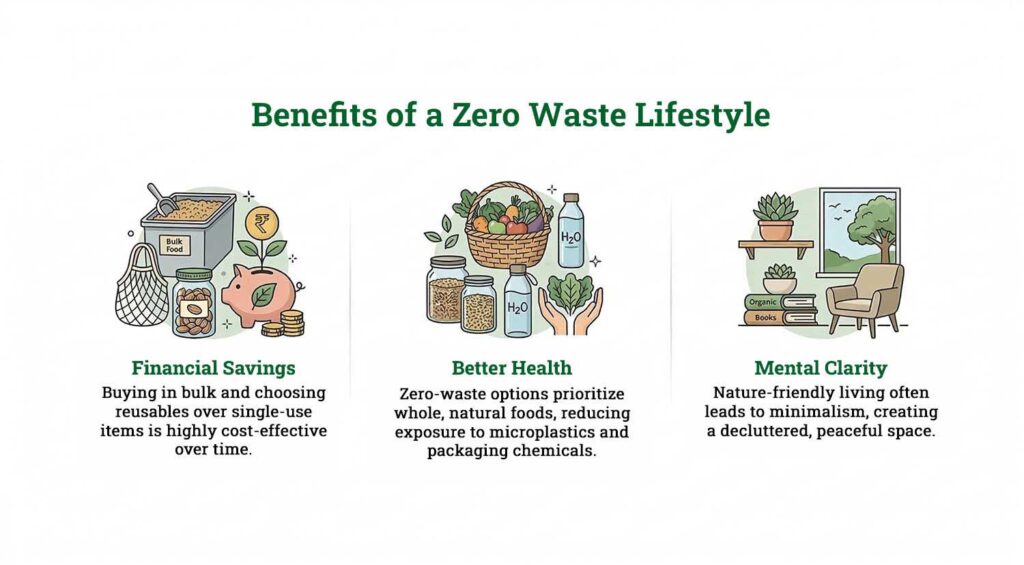
Benefits of a Zero Waste Lifestyle
The conversion to a nature friendly lifestyle is not only beneficial to the planet but also personally. A nature- friendly lifestyle makes the daily routine of many people much easier and less burdensome in terms of making decisions.
Financial Savings
Purchasing in large quantities and not buying single use goods (such as paper towels or bottled water) is very cost effective in the long run.
Better Health
A lot of zero-waste options include whole foods and natural substances, which means that you are less exposed to microplastics and other harmful chemicals contained in processed wrappings.
Mental Clarity
A nature friendly lifestyle is, in most cases, accompanied by minimalism that results in a less cluttered, hence more tranquil living space.
How to Live a Zero Waste Lifestyle
Once you are willing to take the leap to be eco friendly, then the following is a list of some of the eco friendly living steps. It is easy to remember that you need not do all at once, as you can start where you can. Having an eco friendly living lifestyle is not about being perfect but rather progressive. Use this checklist to begin:
Audit Your Trash: Week
Watch what you dispose of most of all. This is what your problem areas are.
Get rid of the Disposables
Replace plastic bags with cloth totes, plastic bottles with stainless steel bottles and paper napkins with cloth.
Buy in Bulk
Take your own jars to stores that will allow you to stock up on grains, nuts, and spices.
Begin Composting
You can start with a small bokashi or worm bin even in an apartment to use on your food scraps.
Decide to Use Bars
In place of plastic bottles, use bar soap, shampoo bars and dish-washing blocks.
Eco eco-friendly lifestyle is at its best when you can locate local neighborhoods and shops that encourage such practices.
Examples of a Zero Waste Lifestyle
Sustainable living practices are relative to where one lives though the underlying principles are similar. Other practices that are viewed as the most typical example of sustainable living are repairing clothes rather than purchasing new ones or using a safety razor rather than disposables.
The following are some examples of the zero waste lifestyle:
- Switching plastic toothbrushes to bamboo.
- Create your own cleaning products using vinegar, baking soda and essential oils.
- Choosing online subscription in place of offline magazines or newspapers.
- Bringing a zero waste kit that consists of a reusable fork, straw, and cup.
The fact that these sustainable living practices can be practiced by any person who is willing to make minor adjustments is a testament that a zero waste lifestyle is not a far-fetched idea.
Partner With Banyan Nation
Although personal action is very essential, system change needs industrial innovation. This is the point of intersection between zero waste living and the circular economy. At Banyan Nation, we have specialized in quality recycling of plastics so that the waste products of post-consumption are recycled into virtually virgin quality resin.
Our mission helps with living the zero waste life as we offer the brands the resources they require to complete the loop of their packaging. By purchasing the products of Banyan Nation that recycle their resins, you are in fact taking part in a bigger ecosystem of zero waste living that keeps the plastic out of our oceans and in the value chain.
Conclusion
It does not mean that you have to start your zero waste life by an overnight complete transformation. The first step is awareness, the realization of the meaning of the zero waste lifestyle and the choice to make better decisions on a daily basis. It can be as simple as zero waste (such as carrying a reusable bag) or it can be bigger sustainability-related actions. The advantages of living the zero waste lifestyle are obvious: a better planet, a healthier person, and a more thoughtful life. Through adopting the tips of a zero waste lifestyle, you would be able to become a part of a global community that makes our home safer.
FAQ's
What role does recycling play in zero waste living?
Zero waste lifestyle meaning : In zero waste life, recycling is actually the fourth step. The priority is to Refuse, Reduce, and Reuse first. However, for items that cannot be avoided, high-quality recycling (like that provided by Banyan Nation) is essential to keep materials in the circular economy.
What are the biggest challenges of following a zero waste lifestyle?
Common challenges include “convenience traps,” lack of bulk-buying options in some areas, and the initial cost of reusable swaps. However, most people find that zero waste habits actually save money in the long run.
What are some zero waste alternatives to single-use plastics?
Some zero waste lifestyle examples include using beeswax wraps instead of plastic wrap, stainless steel straws instead of plastic ones, and solid shampoo bars instead of bottled shampoo. You can always look into more zero waste lifestyle tips that you would like to practice.
How can zero waste living help reduce carbon footprint?
By reducing the demand for new products, you reduce the energy needed for manufacturing and transportation. Furthermore, composting prevents methane emissions from landfills, directly fighting climate change. Similarly there are many benefits of zero waste lifestyle.
Making recycled packaging the norm.
CITATIONS:
- Zero Waste International Alliance (ZWIA). (2025). Definition of Zero Waste. https://zwia.org/
- EPA (Environmental Protection Agency). (2025). Reducing and Reusing Basics. https://www.epa.gov/recycle
- The Story of Stuff Project. (2024). The Impact of Consumption. https://www.storyofstuff.org/
 What Is a Zero Waste Lifestyle and How to Start: A Step-by-Step Guide for Beginners
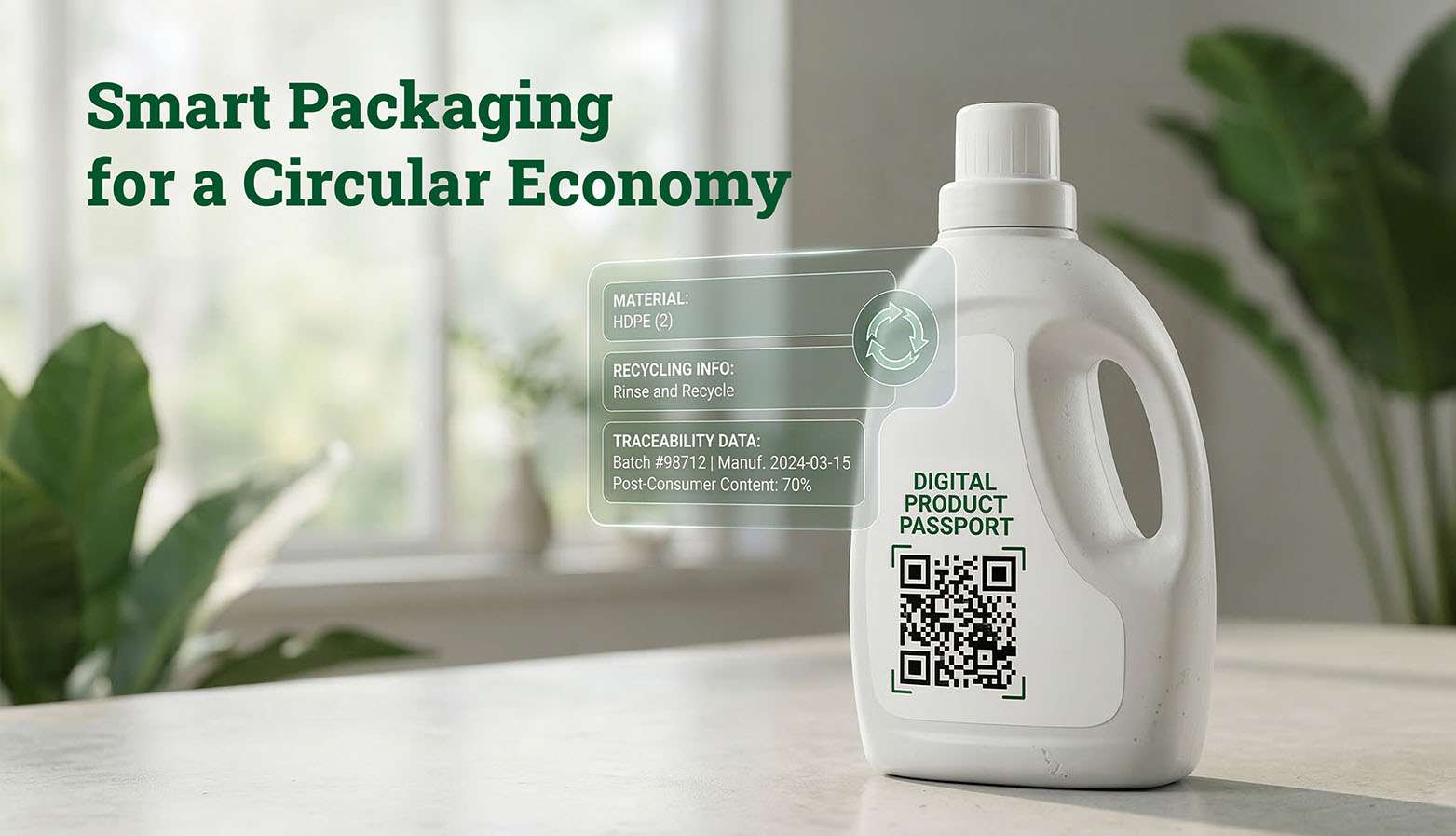
 Smart Packaging for a Circular Economy
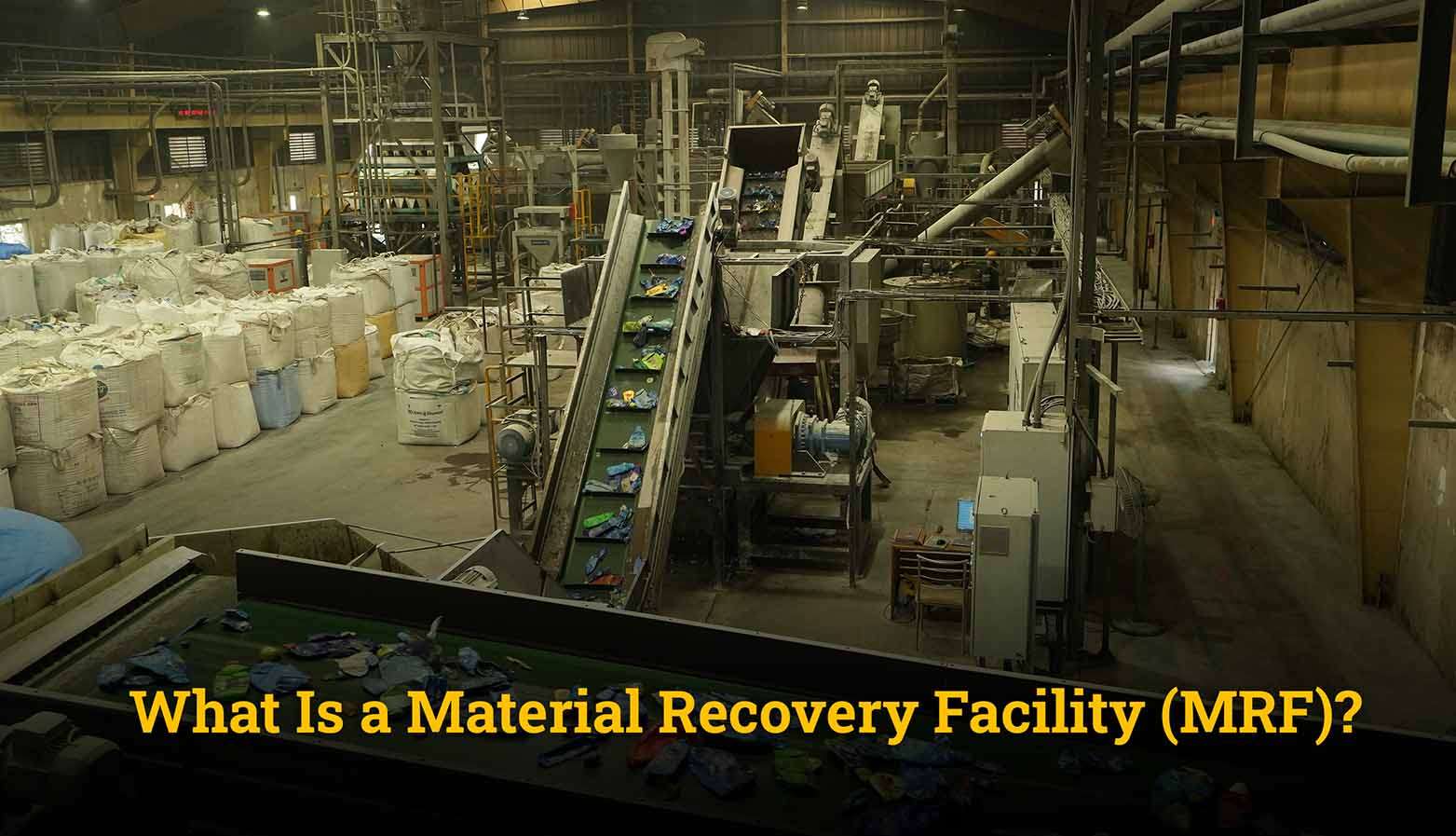
 What Is a Material Recovery Facility (MRF)?
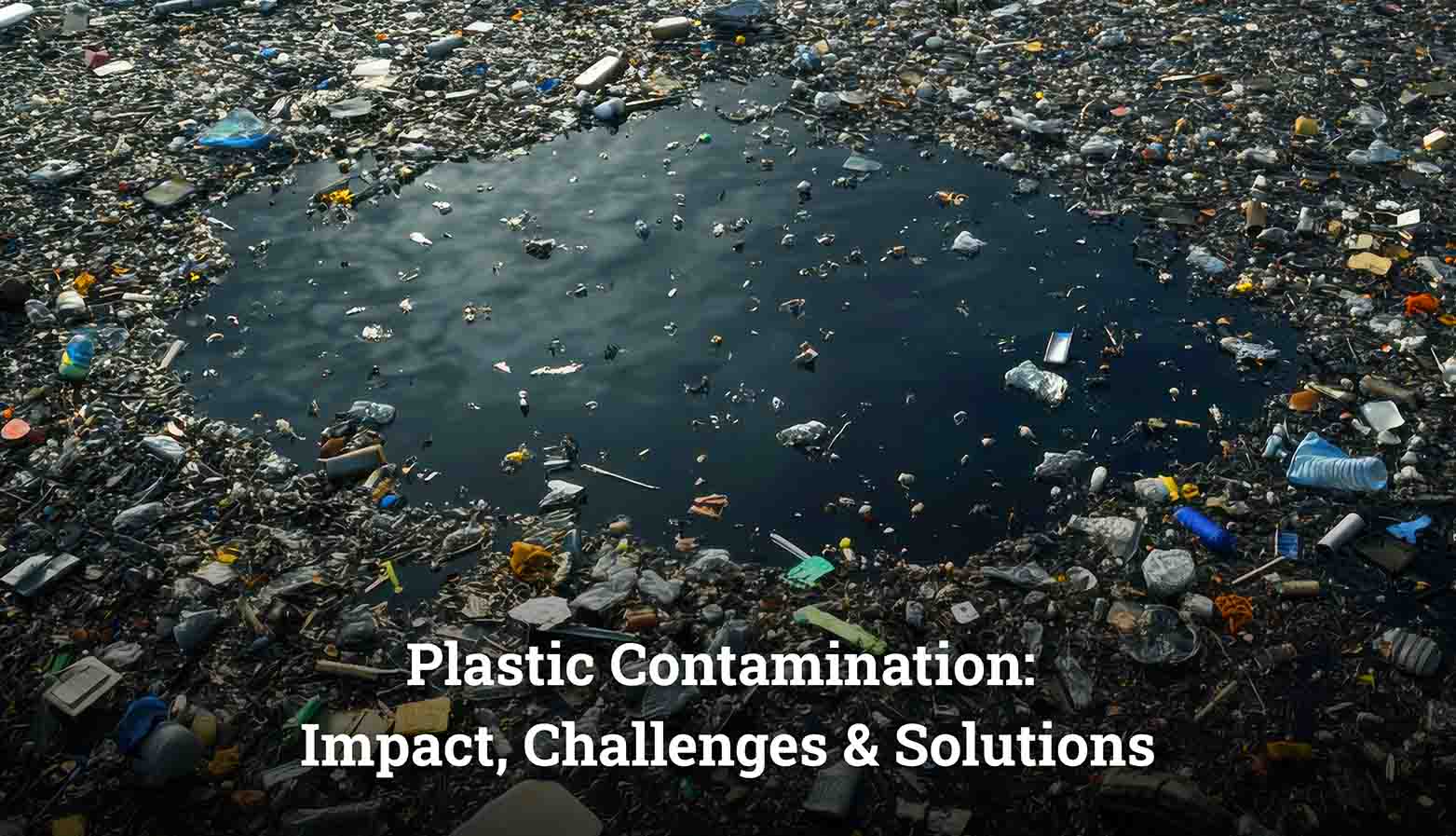
 Plastic Contamination: Causes, Effects, and the Role of Recycling
 What Are Flexible Pouches? Types, Uses, and Recycling Challenges