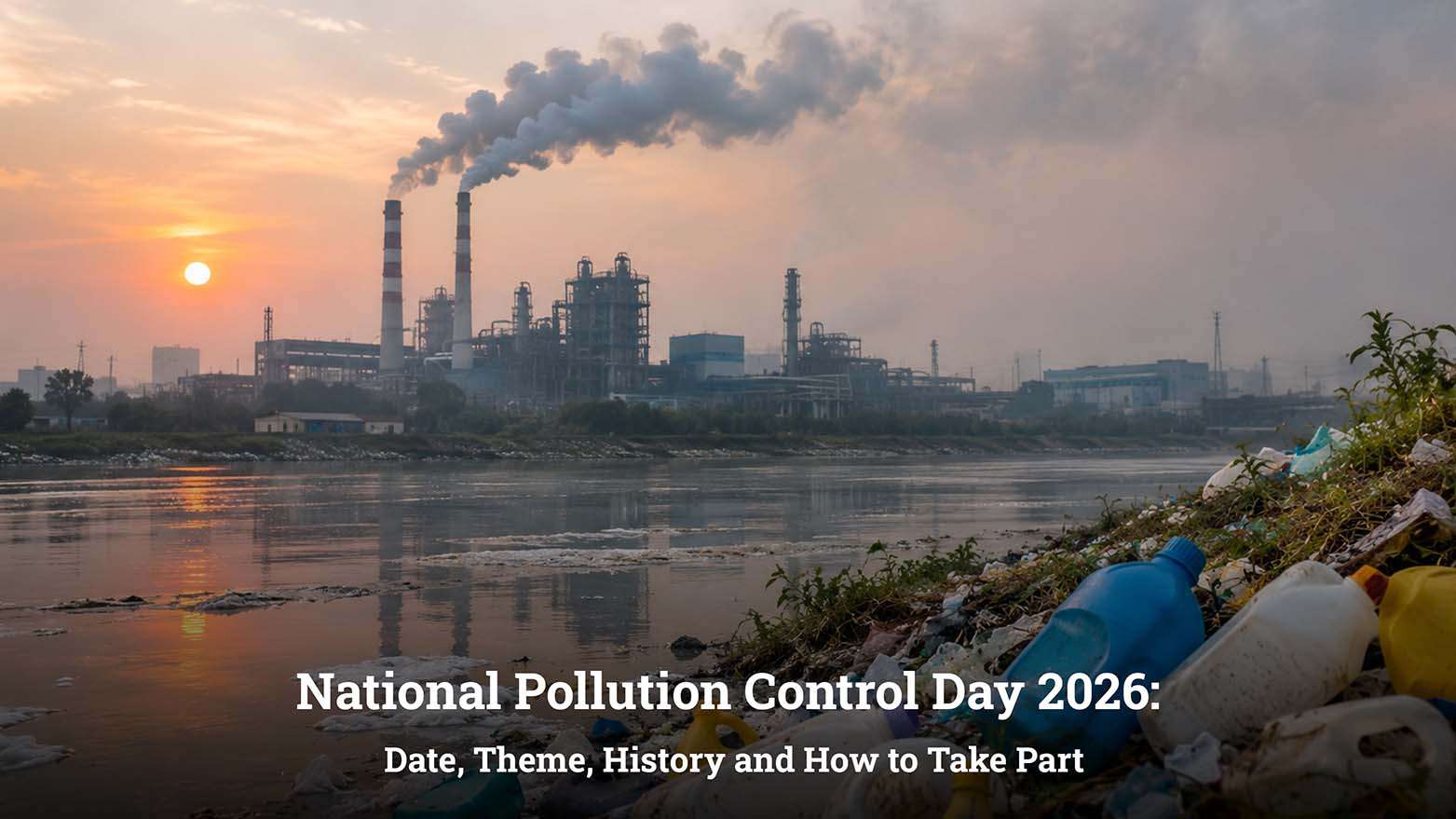
National Pollution Control Day in India is celebrated on 2 December of every year which is a Wednesday in 2026. It’s a solemn day that celebrates the thousands of innocent lives lost in the tragic gas leak incident in Bhopal in 1984 that was one of the worst industrial accidents in human history.
The increasing rate of industrialization, urban population growth, and use of single-use plastics in the country have made national pollution control day an important occasion to reflect on municipal environmental safety, emission standards for industries and the management of waste. It is a platform for the convergence of government, civic institutions, private entities and citizens to spread awareness among the public regarding the adverse effects of air, water and soil pollution and noise pollution on health.
Pollution control day is not just about remembrance, it’s a call to action for cleaner industry, preventing industrial pollution, and eliminating harmful emissions and practices of circular resource recovery. Citizens of all the communities in India can unite and protect the critical ecosystem while moving towards a Zero Pollution future along with knowledge of the celebration of the National Pollution Control Day on 2 December and awareness of national pollution control slogans.
What Is National Pollution Control Day and Why Is It Observed?
National Pollution Control Day is observed across the country of India on this day to sensitize students and people about the environment and to ensure the norms of industrial safety and to remember the Bhopal Gas tragedy of 1984.
The main goals of national pollution control day India are:
- Remembering people who have been killed or affected by long-term health problems as a result of exposure to industrial chemicals in the disaster.
- Industrial Safety Awareness: Training manufacturing industries and chemical industries to effectively manage hazard, zero discharge and disaster preparedness.
- Enforcement of Pollution Control Laws: Emphasizing the statutory compliance needed under the framework of Central & State Pollution Control Board.
- Encouraging Civic Action: Getting schools, businesses, and citizens to cut down on daily waste, stop plastic pollution, and cut down on personal carbon footprints.
History of National Pollution Control Day: The 1984 Bhopal Gas Tragedy
It is befitting to note that the initiation of the National Pollution Control Day is a sad story that started on the night of 2-3 December 1984 in Bhopal, Madhya Pradesh when the city faced an unprecedented polluted episode. A dense toxic cloud of highly toxic Methyl Isocyanate (MIC) gas has formed over high population density areas due to over 40 tonnes of the gas leaking from the Union Carbide India Limited (UCIL) pesticide plant.
The official government data has reported that 3,787 people were immediately killed in the disaster and that there were more than 15,000 to 20,000 deaths over the long term due to exposure to chemicals in the disaster. Hundreds of thousands of people lived with disabilities for a lifetime – respiratory failure, blindness, neurological damage, congenital defects.
The debacle of industrial safety systems led to a complete overhaul of the environmental governance in India. This blanket policy enabled the Central Government to establish national pollution standards, inspect factories and industries, regulate dangerous chemicals and establish national environmental agencies.
National Pollution Control Day 2026 Theme
The Central Government and the environmental authorities do not necessarily declare National pollution day. Instead, each year state boards, schools and civic organizations choose national pollution control day theme on which to concentrate their discussions of important environmental concerns.
Year | Commonly Adopted Focus / Theme | Key Objective |
2024 | Clean Air, Sustainable Waste Recovery | Testing of industrial emissions and segregation of municipal waste. |
2025 | Today’s students are raised on a diet of sustainability.The sustainability diet of today’s students. | Managing resources and reducing scope 3 emissions. |
2026 | Clean air, Green Earth, a step towards sustainable living! | Adopting pollution prevention, urban greening and circular economy in the community. |
Organizers participating in national pollution control day theme 2026 are encouraged to align local campaigns with regional air quality goals, plastic recycling mandates, and industrial safety compliance.
Why Pollution Control Matters in India: Key Stats
Pollution poses a severe threat to public health, biodiversity, and economic productivity across India. The table below highlights critical environmental statistics cited from official global and national authorities:
Pollution Stream | Key Statistic | Primary Source |
Air Quality | More than 90% of the Indian population is living in regions that are above the ambient air quality guidelines set by WHO. | World Health Organization (WHO) |
Municipal Waste | India produces ~62 Million tonnes of MSW per year, and only 30% of which is successfully recycled. | Central Pollution Control Board (CPCB) |
Plastic Pollution | Each year, about 3.4 million tonnes of plastic waste enters the land and rivers, causing massive pollution. | Ministry of Environment, Forest and Climate Change (MoEFCC) |
Clean Air Action | Up to 40% reduction of particulate matter (PM2.5/PM10) to be achieved in 131 cities targeted under NCAP. | National Clean Air Programme (NCAP) |
India’s Key Pollution Control Laws at a Glance
Following the 1984 disaster, India established a robust statutory framework to regulate industrial pollution and preserve ecosystems:
Act / Regulation | Year | Primary Focus & Statutory Scope |
Water Act | 1974 | Forestalled and regulated water pollution; Set up Central Pollution Control Boards and State Pollution Control Boards. |
Air Act | 1981 | Sets up air quality monitoring and control for industrial/vehicular sources. |
Environment (Protection) Act | 1986 | After the Bhopal disaster, the umbrella act was passed, which gives strict standards and hazard enforcement for industries. |
Plastic Waste Management Rules (EPR) | 2016 / 2022 | Requires Extended Producer Responsibility (EPR) for brands to ensure the collection and recycling of post-consumer plastics. |
NCAP | 2019 | National Clean Air Programme for massive reduction of PM2.5 and PM10 in non-attainment cities. |
How to Observe National Pollution Control Day (Individuals, Schools and Businesses)
Observation of the pollution control day should mean real steps on a day to day basis by every segment of society:
For Individuals & Households
- Minimise the contamination to Landfill by implementing Source Segregation: Classify Domestic Waste at Source: Wet, Dry and Hazardous Waste Bins.
- Maintain the motor vehicle in good running order: Pollution Under Control (PUC) tests should be done regularly and personal vehicle usage reduced.
- Don’t burn household garbage, garden leaf litter or plastics.
For Students & Educational Institutions
- Avoids the hassle of making separate arrangements for students and educational institutions.
- Campus Cleanups & Tree Planting: Organize clean-up and native tree planting on campus.
- Host Awareness Competitions: Organize a poster making competition, slogan writing competition, and a debate competition on Environmental Safety.
- Plastic Audits: Do an audit of plastic and use reusable alternatives.
For Businesses & Industrial Enterprises
- Involved in Scope 3 Emissions: thinks about the impacts of the supply chain, and has high purity recycled plastic materials.
- Industrial Safety Audits: Carry out in-depth chemical storage, effluent treatment plants (ETP) and stack emissions safety audit.
- Assist Registered PROs/recyclers in fulfilling EPR obligations.
National Pollution Control Day Slogans
Need some national pollution control day slogans for posters, rallies or school campaigns? Try out these authentic national pollution control day slogans:
- Air pollution is a choice, clean air is a right.
- Remember Bhopal: Value safety above all else and above short cuts in production.
- Recycle the past, protect the present and save the future.
- When there’s less plastic on land, there’s less in our rivers.
- Reduce pollution now to save the air for the future.
- Let not improvements become pollution.
- Dispose of waste properly at home; make a cleaner country.
- Clean air is all-important, and it controls industrial waste.
- Prevent plastic pollution; opt for circular materials.
Banyan Nation’s Role in Tackling Plastic Pollution
The answer to plastic pollution is a closed and non-linear circular economy model. Banyan Nation is a key entity in ensuring that post-consumer plastic waste is not dumped in landfills, drains and ecosystems in India.
Banyan Nation is recycling post-consumer polyolefins (HDPE and PP) using proprietary washing, sorting and compounding technologies to produce a high-purity and traceable recycled resin called Better Plastic™. This allows for seamless replacement of virgin fossil plastics, compliance with mandated statutory Extended Producer Responsibility (EPR) requirements and the reduction of carbon emissions in the supply chain.Learn how enterprise brands are finding circular sustainability through Banyan Nation Recycled Polyethylene (rPE) solutions and complete Banyan Nation Extended Producer Responsibility (EPR) compliance services.
FAQ's
Why is National Pollution Control Day celebrated on 2 December?
National Pollution Control Day is celebrated on 2 December to honor the thousands of people who lost their lives during the 1984 Bhopal gas tragedy, which occurred on the night of 2–3 December. It serves as a reminder to prevent industrial disasters and control environmental pollution.
What is the theme of National Pollution Control Day 2026?
While no single theme is officially mandated nationwide by the Central Government, regional campaigns and environmental institutions observe that the national pollution control day theme of 2026 focuses on “Clean Air, Green Earth: A Step Towards Sustainable Living”.
Which law was passed in India after the Bhopal gas tragedy?
The Environment (Protection) Act, 1986 was passed by the Parliament of India in direct response to the Bhopal gas tragedy. It serves as an umbrella framework for setting environmental standards and controlling pollution nationwide.
How can students celebrate National Pollution Control Day?
Students can celebrate by organizing campus cleanups, participating in tree plantation drives, conducting plastic waste audits, creating environmental posters, and practicing waste segregation at home.
How does plastic recycling help control pollution?
Mechanical plastic recycling intercepts post-consumer waste before it reaches landfills or water bodies. Replacing virgin fossil plastic with high-purity recycled resin reduces energy consumption, eliminates crude oil refining emissions, and cuts packaging carbon footprints by up to 75%.
Making recycled packaging the norm.
CITATIONS:
- Central Pollution Control Board (CPCB). (2025). Annual Report on Industrial Emission Standards and Municipal Solid Waste Management in India. Ministry of Environment, Forest and Climate Change.
- Government of Madhya Pradesh. (2024). Official Report on Casualties and Relief Operations of the 1984 Bhopal Gas Leak Disaster. Department of Bhopal Gas Tragedy Relief and Rehabilitation.
- World Health Organization (WHO). (2025). Ambient Air Pollution and Public Health Impact Assessment in South Asia. WHO Guidelines.
 National Pollution Control Day 2026: Date, Theme, History and How to Take Part
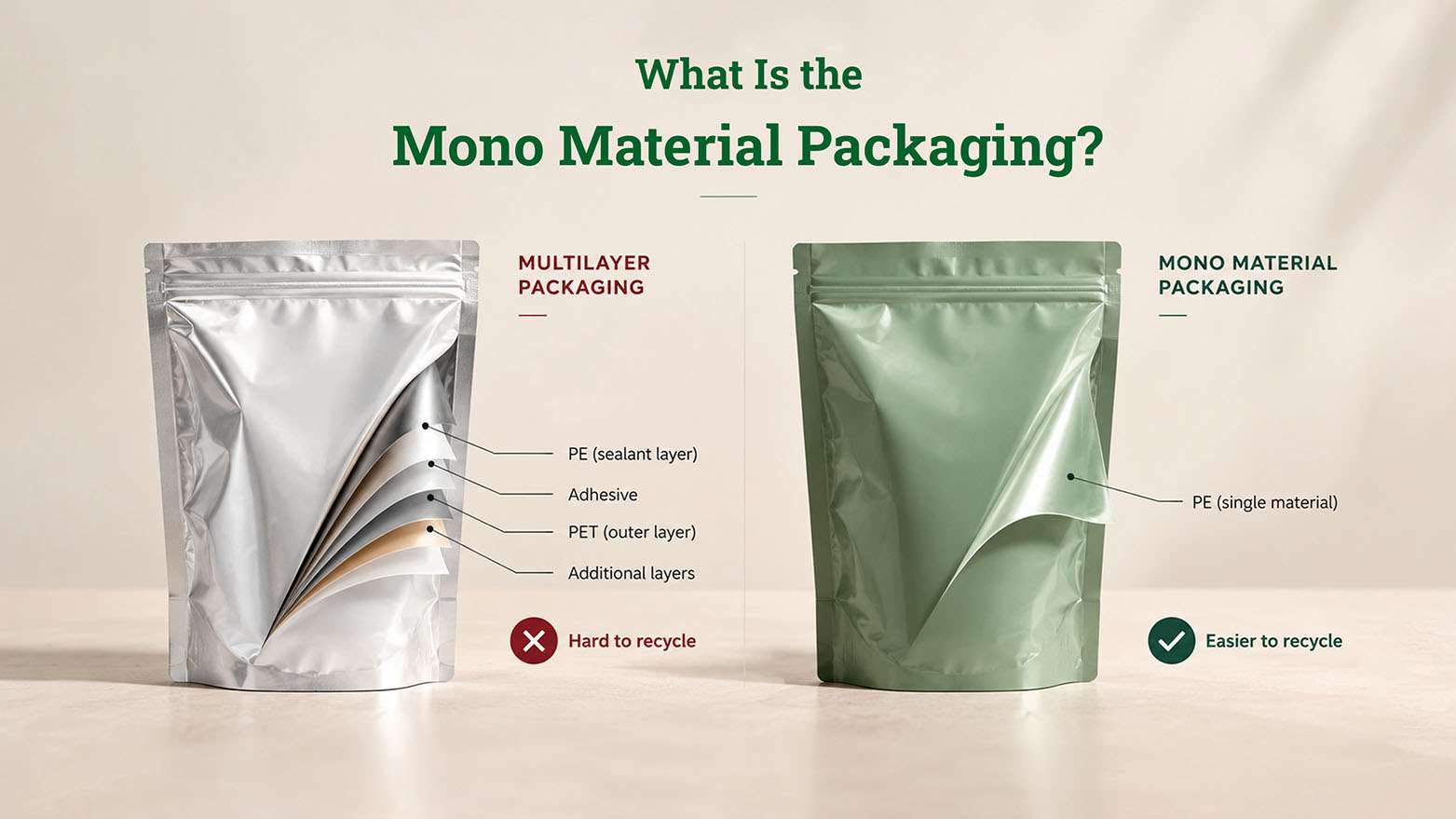
 What Is Mono Material Packaging? Benefits for Recyclability
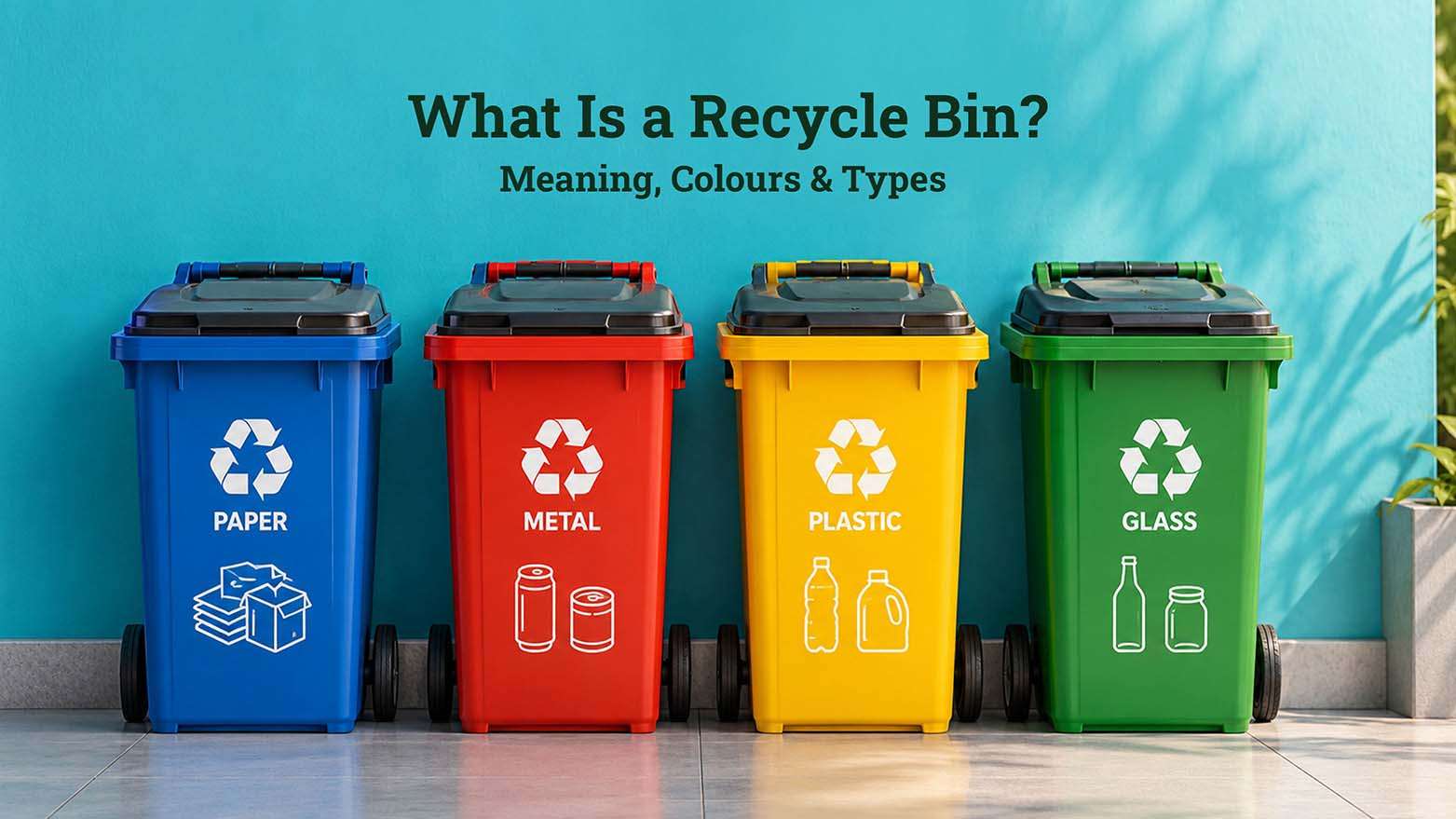
 What Is a Recycle Bin? Meaning, Colours & Types
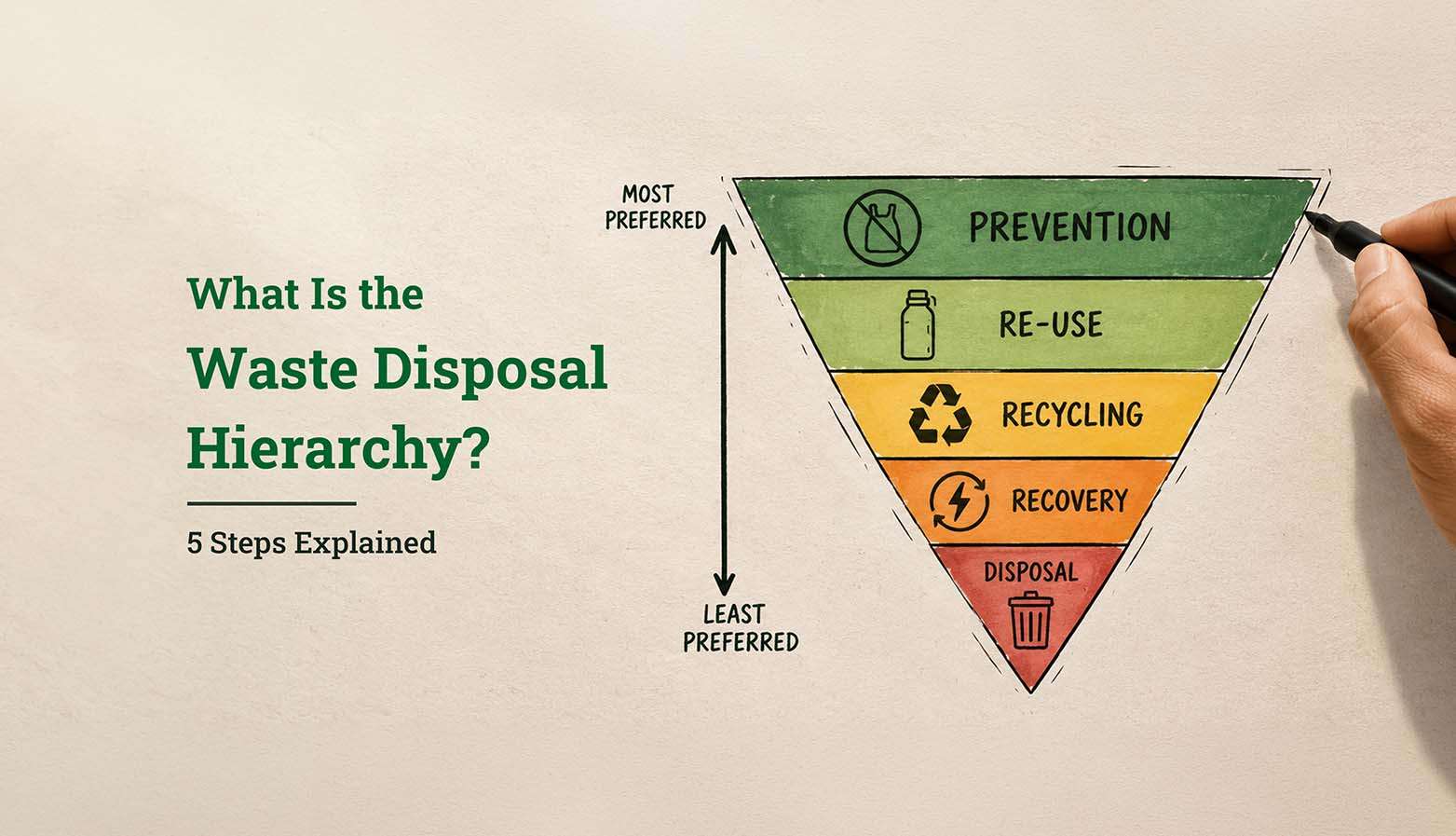
 What Is the Waste Disposal Hierarchy? 5 Steps Explained
 What Is ABS Plastic? Properties, Uses & Recycling