With the limited supply of natural resources and the growing climate problem, the linear “take-make-dispose” industrial model is being replaced by the innovative circular economy model. The Circular Economy model is a systemic economic development approach that’s intended to support the business, the society and the environment by separating economic activity from finite resources. The circular economy model aims to ensure that products, parts and materials remain in use and have the greatest value and utility at all times, unlike the linear model which generates huge amounts of waste. This shift is not just to be sustainable, but a fundamental change in how value is created. The circular economy model provides a resilient approach that can be resilient to shocks on the global value chain, by designing out waste and pollution, keeping products and materials in use, and regenerating natural systems. By 2026, the implementation of a circular economy for companies is a competitive requirement in order to maximize the use of resources. It is about the redesign of products, the manufacturing process and even customer relationships in such a way that all materials used can have a clearly defined “next life.” This model offers a blueprint for a long-term profitable business without damaging the planet, from textiles to electronics to plastics. Closing the loop, including the use of Banyan Nation’s quality resin, is a great way for companies to ensure materials stay in the economy and not become pollutants in the environment.
Introduction
The best approach that modern businesses can take to future-proof their operations is by following the path of a circular business model. The circular business model aims to overcome the end-of-life paradigm by focusing on the restoration of products, transition to renewable energy and the elimination of toxic chemicals.
:Organizations can implement it by:
- Limit Resource Risks: Less dependence on volatile markets for raw materials.
- Elevate brand loyalty: to satisfy the growing demand of consumers for transparency and ethics in their products.
- Drive Innovation: promote the development of new materials and more intelligent service based systems.
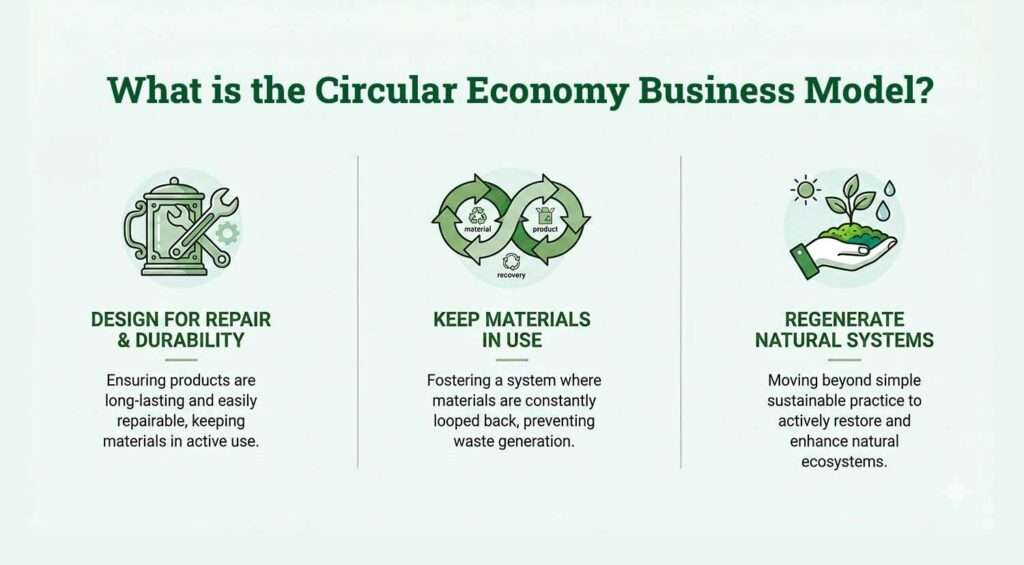
What is the Circular Economy Business Model?
The meaning of the circular economy model is not just a single action, it’s an ecosystem. The circular economy model definition is more than just recycling, it is about the product’s lifecycle.
If we consider the meaning of the circular economy model in practice, we can see that it is based on the principles of durability, repair and recycling. The circular model is founded on three tenets: design out waste, keep materials in use, and regenerate natural systems. In this circular economy, the value of materials is not lost on a single use.
Key Circular Economy Business Model Types
There is no single solution and various business models for the circular economy have been developed, adapted to different industrial requirements. These circular economy business models give businesses the option of selecting the business model that is most suitable for their strengths.
There are several typical business models for circular economy:
- Circular Supplies: Substituting conventional materials with input (raw materials, components) which are bio-based, renewable or 100% recycled.
- Resource Recovery: Value from Waste using high tech recycling and upcycling.
- Product Life Extension: Design for long life, repair and upgrading, postponing the disposal.
- Sharing Platforms: Upscaling the use of products by sharing them.
- Product as a Service (PaaS): The consumer pays for using the product and the manufacturer is responsible for its eventual recovery.
What Does a Circular Economy Model Mean for FMCG Brands?
In the case of fast moving consumer goods (FMCG), the circular model is a way to dramatic efficiency. Packaging waste is a significant issue in this industry and circular economy business models are vital to achieve the 2026 plastic neutrality goals.
By adopting circular economy business models, FMCG companies can:
- Switching to Mono-materials, making packaging 100% recyclable.
- Reduce carbon footprints with Integrated PCR Content; Post-Consumer Recycled (PCR) Resins.
- Lifting the ‘flexible pouches‘ for healthier, reusable options.
These circular economy business models help brands move away from being “waste creators” to becoming “resource stewards.”
The Environmental and Economic Benefits of a Circular Economy Model
The trend towards a circular business model is motivated by both ecological and financial considerations. The circular model produces a “win-win” situation for the planet and profit.
Environmental Benefits
- Waste Reduction: A radical reduction in the amount of plastic and industry waste going to landfill.
- Energy Savings: Recycled materials generally require 50 percent – 90 percent less energy than virgin materials.
- Habitat Protection: Minimising demand for resource extraction preserves our forests and oceans’ biodiversity.
Economic Benefits
- Cost savings: Reduction of production costs by re-use of materials and reduction of energy consumption.
- New Revenue Streams – new revenue streams from waste streams; new service-based business lines.
- Regulatory Compliance: Pro-activity around Extended Producer Responsibility (EPR) regulations and carbon taxes.
Circular Economy Business Model Examples
Circular business model examples can help draw out the meaning and application of these theories in the real world. There are a lot of business models, examples, that already exist in a circular economy on a global level.
- Patagonia (Apparel): They have an excellent circular business model example that is based on repairing and selling their product to extend its life.
- One of the best examples of a circular economy business model is the “Lighting as a Service” model of Philips (Electronics), which is the business model of selling light as a service and not lightbulbs.
- Banyan Nation (Plastics): One of the prominent examples of a circular business model in India where plastic is turned into brand ready resin from waste.
From fashion to heavy manufacturing, these are circular business model examples that illustrate the circularity’s possibilities in various business sectors.
How to Adopt a Circular Economy Business Model: A Step-by-Step Guide
The transition to business models for the circular economy needs a structured approach for its successful implementation. Businesses need to take the next step from pilot to mainstream in their approach to the business models for circular economy.
- Audit Your Waste: A waste audit helps to find out where materials are going out of your system and where value is going out of your system.
- Design for Circularity: Work with the designers to make the products easily disassembled and recycled.
- Partner for Recovery: Partner with recycling leaders such as Banyan Nation and obtain a supply of high-quality recycled materials.
- Engage the Consumer: Develop take-back programs or incentive programs to bring your packaging back in the loop.
- Measure and Scale: Monitor your circularity percentage and make your operations more ambitious by setting a 2030 target.
How Banyan Nation Embodies the Circular Business Model in India
Banyan Nation is a prime example of business models for circular economy in action within the Global South. We understood that the problem of quality needs to be addressed if the circular business concept is to be implemented in India. Our post-consumer plastic cleaning allows brands to make successful transitions towards the circular economy without sacrificing the look or performance of their products. We have a vertically integrated model which is representative of an innovative circular economy business model, where high tech recycling and social inclusiveness can go together.
The Future of Circular Economy Business Models in India
Looking ahead, circular economy business models will become the rule and not the exception. The Indian government is promoting “LiFE” (Lifestyle for Environment) and enforcing EPRs, making the circular business model a cornerstone of India’s industrial policy. The future will be shaped by “Smart Circularity,” in which the use of AI and data tracking will help to ensure that every gram of material can be tracked and recovered.
Conclusion
Indeed, the only way out of a world of limited resources and unlimited aspirations is the ce business models. Once the circular economy model meaning is understood and experiences of successful circular business models are learned, any organization can begin its journey towards sustainability. As long as you’re just starting your circular economy business or expanding your efforts, the end result is the same: a world where nothing is wasted and everything is used for a purpose.
FAQ's
Who invented the circular economy model?
The concept does not have a single inventor but was popularized by the Ellen MacArthur Foundation, building on earlier theories like “Cradle to Cradle” by Walter Stahel and William McDonough.
What industries benefit most from circular economy business models?
Industries with high material throughput, such as packaging, fashion, electronics, and automotive, stand to gain the most in terms of cost savings and risk reduction.
How do small businesses adopt a circular business model?
Small businesses can start by reducing packaging, choosing mono-materials, and partnering with local waste management collectors to ensure their waste is recycled rather than landfilled.
What everyday products are made using circular economy business models?
Many everyday items, including detergent bottles made from PCR plastic, shoes made from recycled ocean waste, and refurbished smartphones, are products of the circular economy business models.
Making recycled packaging the norm.
CITATIONS:
- Ellen MacArthur Foundation. The Circular Economy Explained. https://www.ellenmacarthurfoundation.org/
- World Economic Forum. The Business Case for the Circular Economy.
- Accenture. Waste to Wealth: The Circular Economy Advantage.
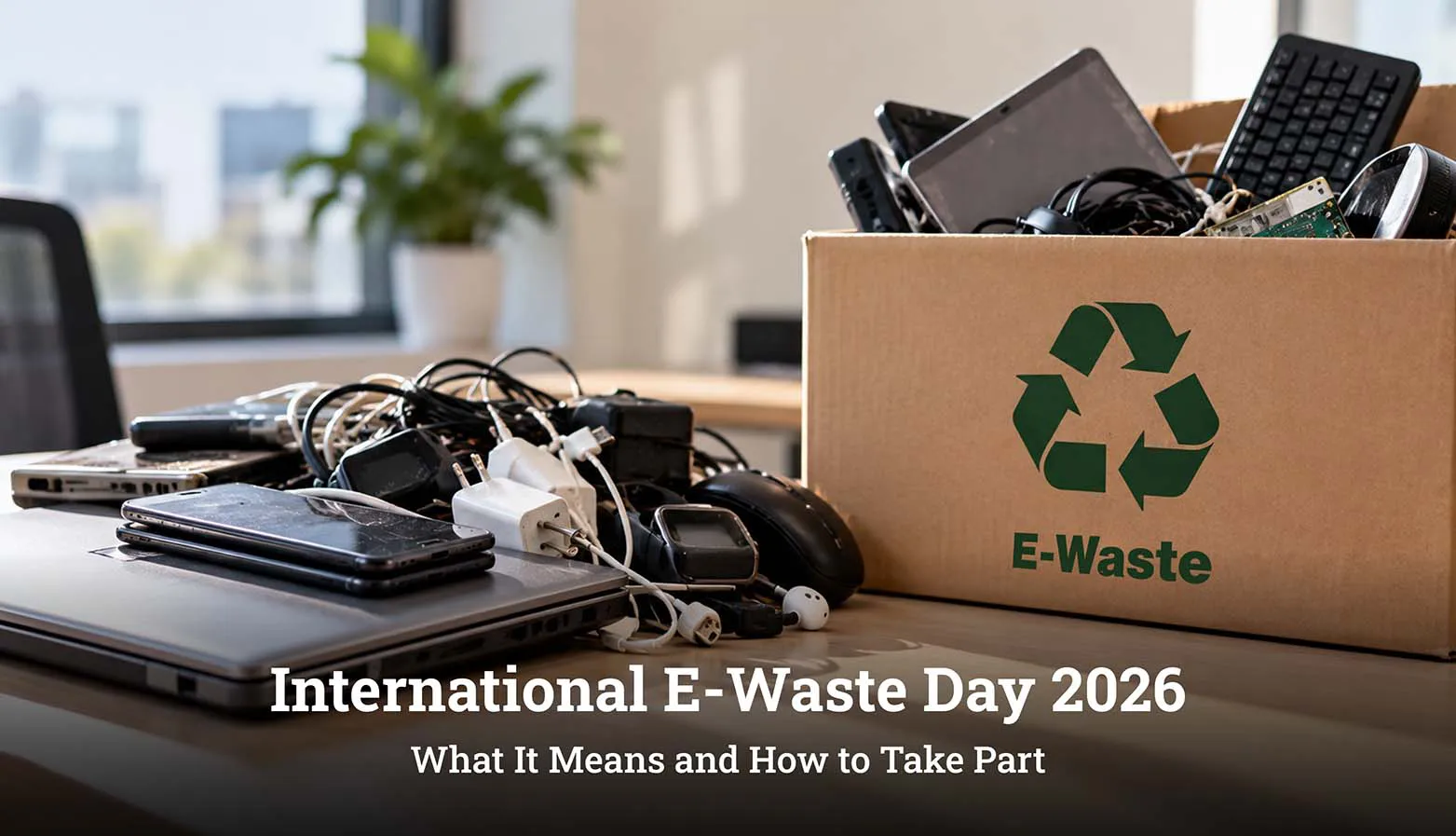
 International E-Waste Day 2026: What It Means and How to Take Part
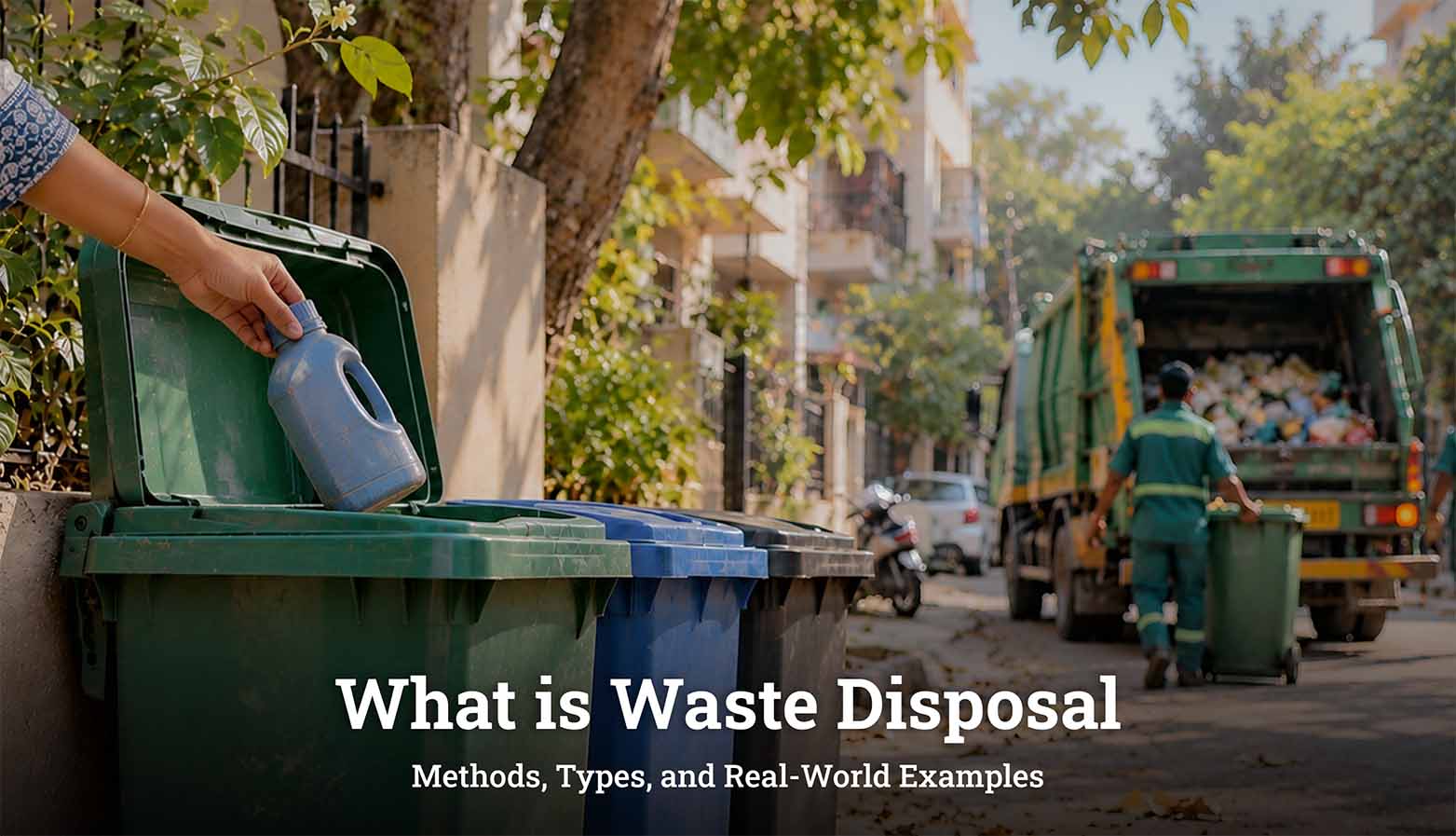
 What is Waste Disposal: Methods, Types, and Real-World Examples
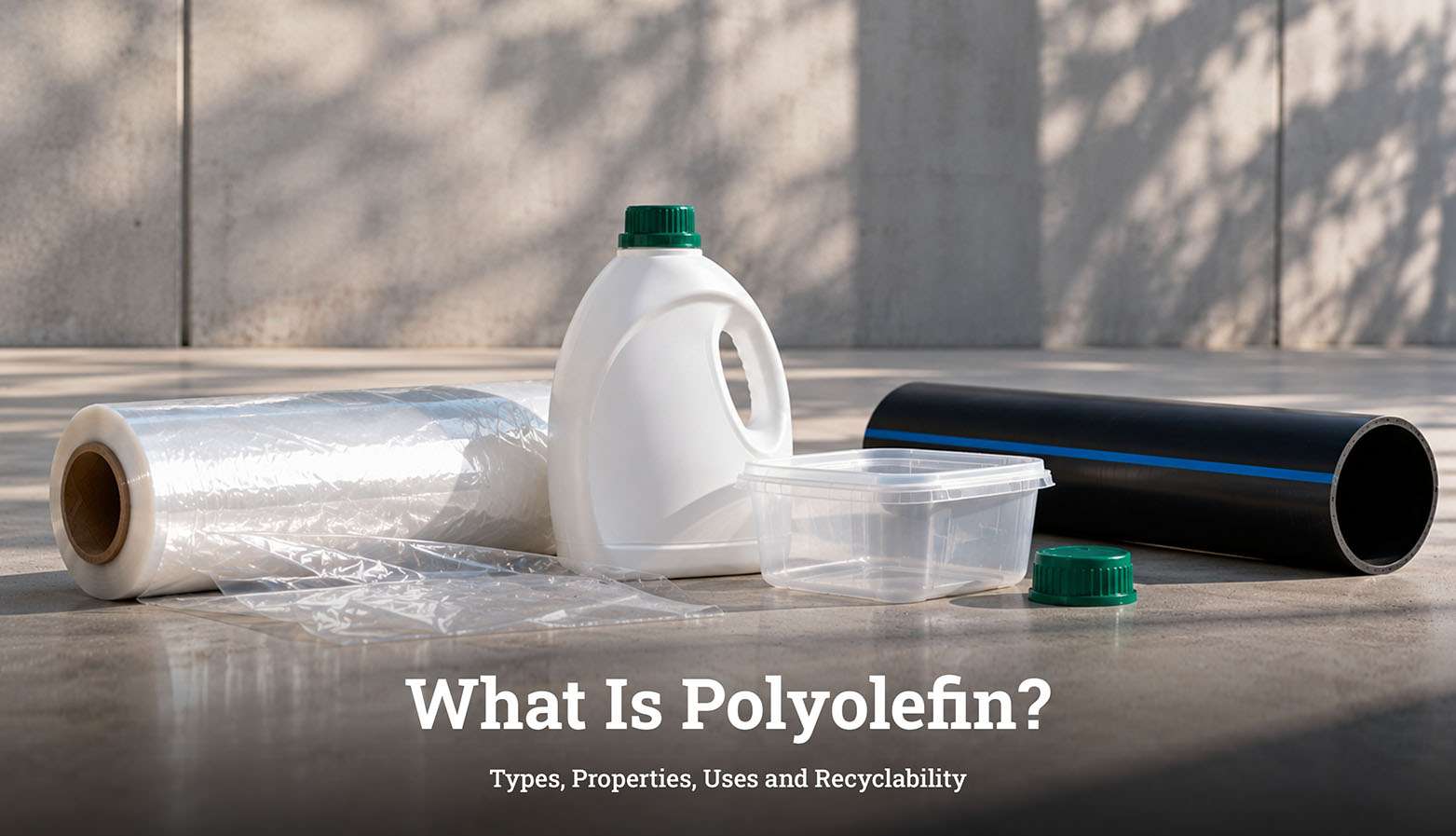
 What Is Polyolefin? Types, Properties, Uses and Recyclability
 World Rivers Day 2026: Date, Theme, History and How to Take Part
 Zero Emissions Day 2026: What It Is, Why 21 September and How to Take Part