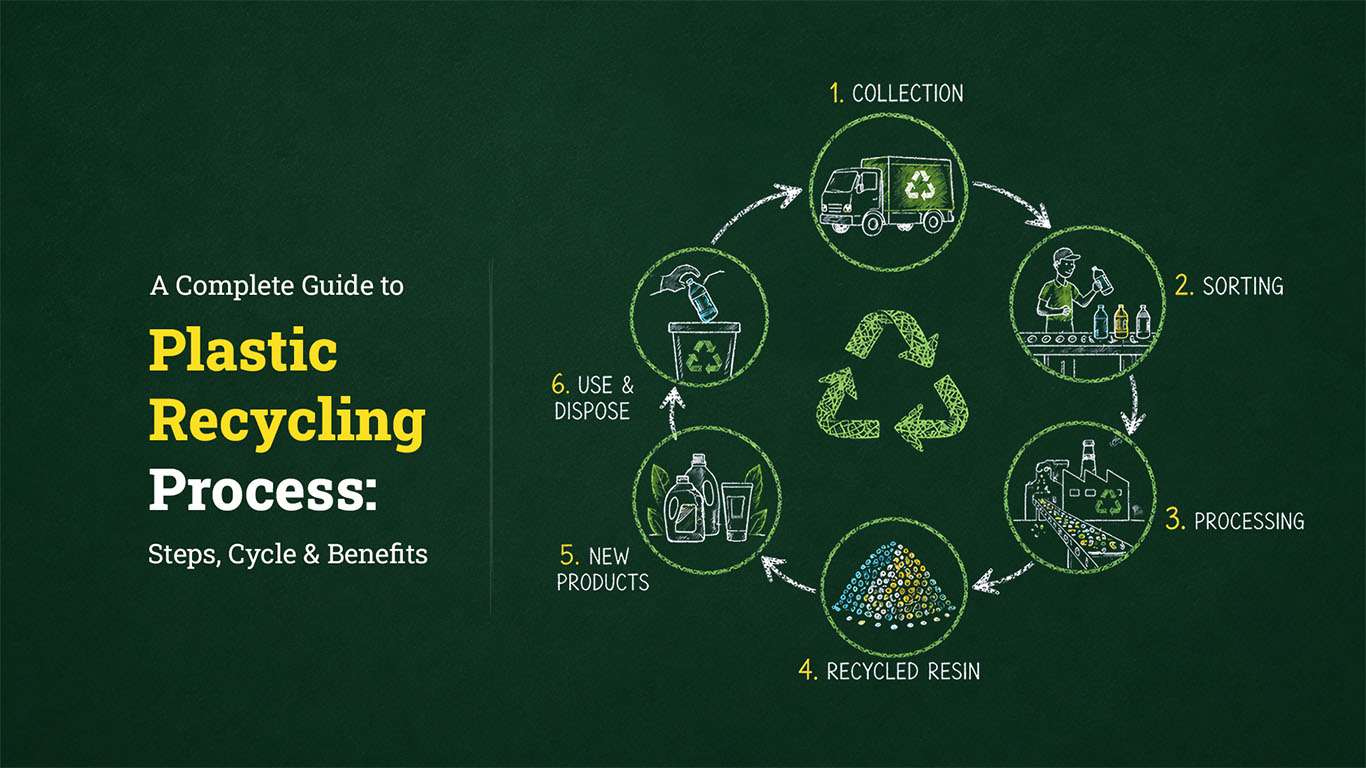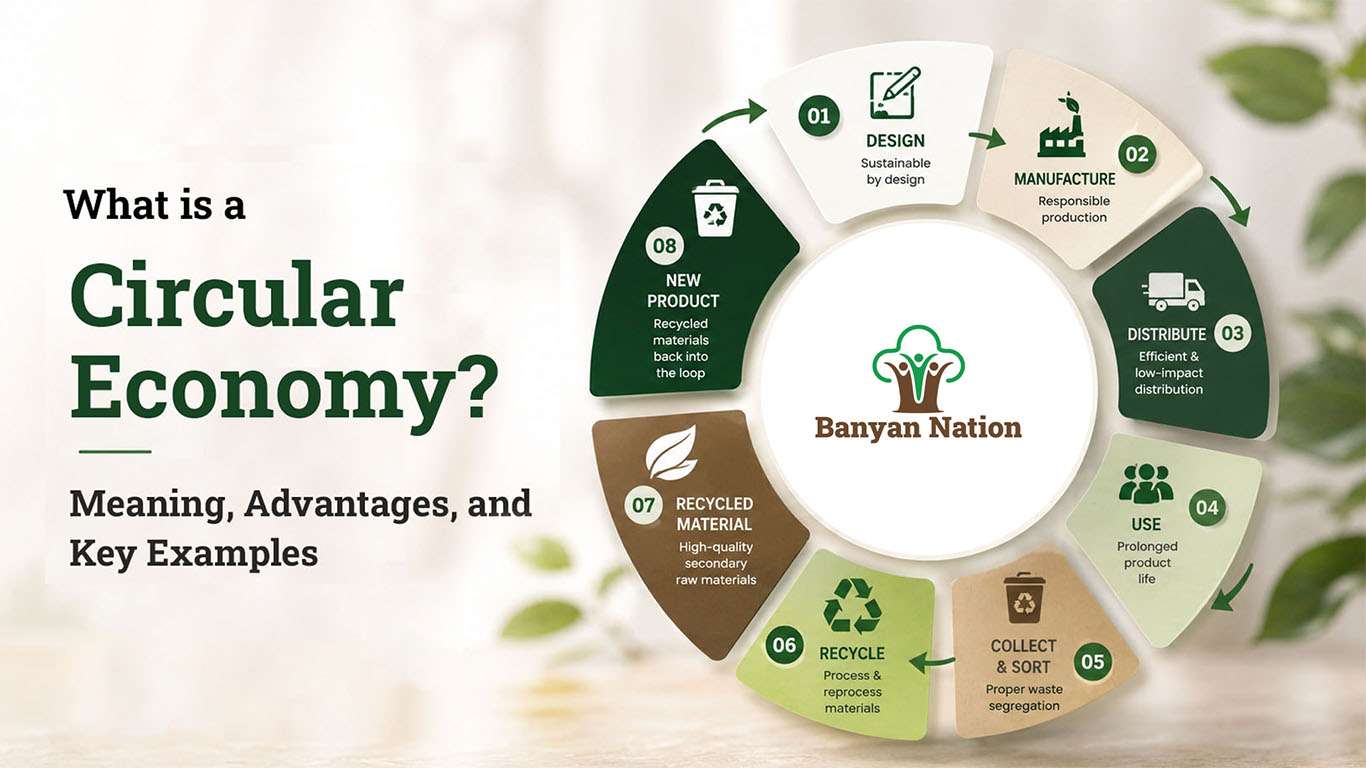
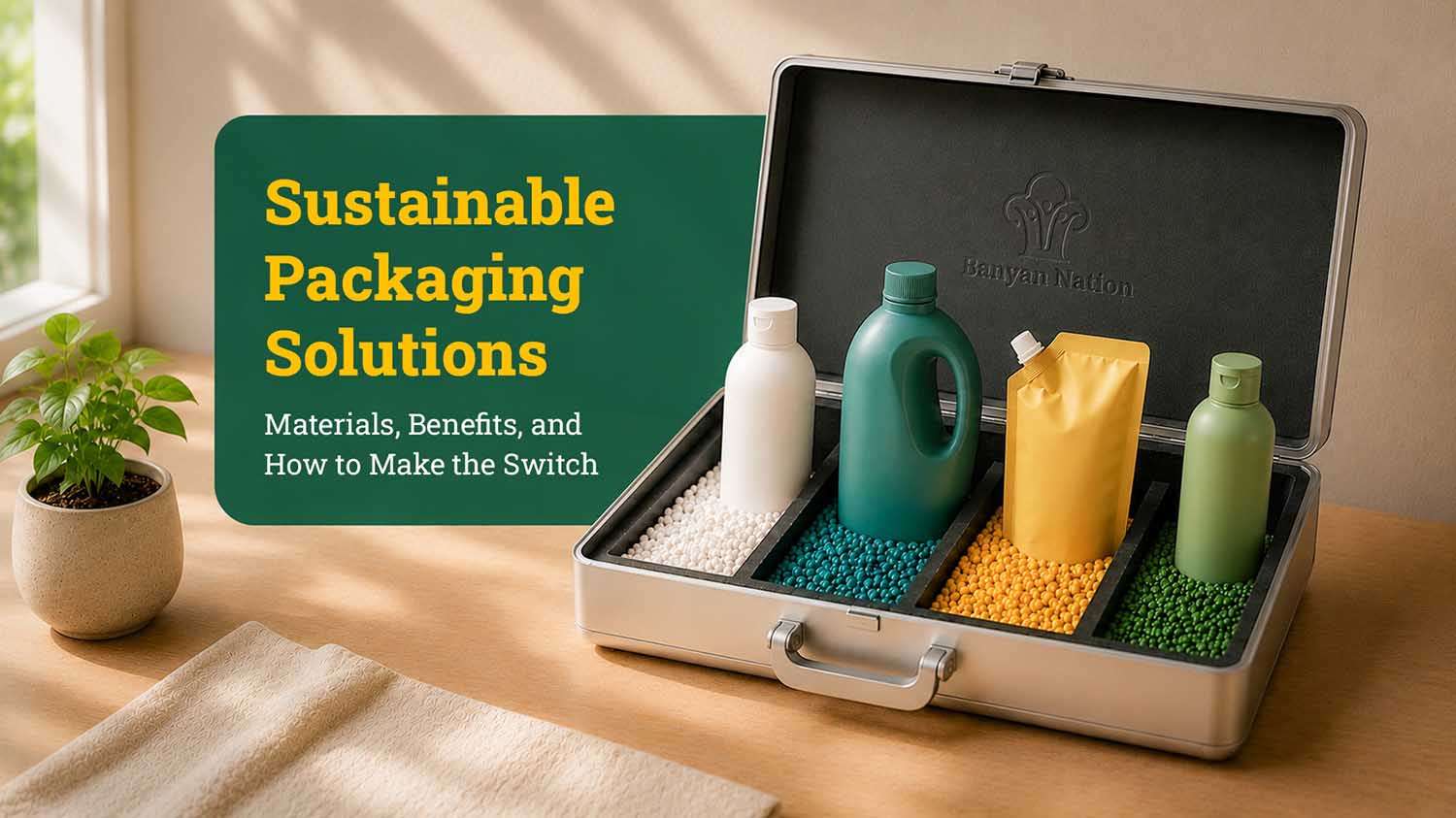
Scalable sustainable packaging solutions are no longer a choice for savvy businesses around the world, but a must-have operational requirement. The traditional linear consumer packaging model is excessively dependent on extraction, processing and quick disposal, which is causing big waste processing issues and long-term liabilities for consumer packaging supply chains. In an international market where resources are becoming scarce, consumer habits are changing and environmental laws are becoming more stringent, it is essential for enterprises to apply circular economy principles to its industrial production processes.In the international market where resources are becoming scarce, consumer behavior is changing and environmental regulations are becoming more stringent, the application of the principles of circular economy in industrial production processes is essential for enterprises. The journey towards functional and high-purity sustainable packaging solutions provides an opportunity to substitute virgin material inputs with high quality secondary resources, thereby reducing carbon emissions and preventing the loss of corporate resources. Adopting a circular packaging strategy is a business necessity when carbon tracking rules become more stringent and national Extended Producer Responsibility (EPR) laws come with severe penalties for non-compliance in 2026. Such a strategy requires a complete re-thinking of product containment, materials used, and retail shipping formats. Today, organizations can cut environmental impact significantly, comply with regional green policies, and create a very resilient supply chain by proactively designing out waste and creating predictable material loops that achieve a balance between profitability and environmental sustainability.
What is Sustainable Packaging?
Sustainable packaging is a holistic design, material choice and processing strategy to ensure that the environmental impact of a product contained in a package is minimised over the entire life cycle of the product. Eco packaging, also known as responsible packaging, is based on the principles of responsible sourcing of packaging, optimizing the use of production plant equipment and systems, and closed-loop systems for packaging recovery. Adopting an “authentic” eco packaging system means assessing the overall impact or environmental system of a material after it is sold.
Types of Eco-Friendly Packaging Materials
Organisations need to develop an operational awareness of the wide range of eco friendly packaging materials in today’s marketplace to implement an effective green transition. With the right eco friendly packaging materials you can make the most functional packages that match perfectly with regional waste processing systems.
Recyclable Packaging Materials (Cardboard, Paper, Certain Plastics)
Paperboard and unbleached corrugated are strong foundations of eco friendly packaging materials with high structural strength and very developed recycling technologies worldwide. For applications where absolute moisture barriers and impact protection is required however, specialised polymers such as recycled Polyethylene (rPE) and Post-Consumer Recycled (PCR) plastics are the key packaging materials that keep materials in high value industrial loops in an environmentally friendly manner.
Biodegradable Packaging Materials (Bagasse, Cornstarch, PLA)
If it is not possible to gather materials for mechanical recycling, biodegraded packaging made out of natural starches can be used. The use of sugarcane bagasse, cornstarch sheets or Polylactic Acid (PLA) structures makes the material biodegradable in the long term when it comes into contact with biological activity, thereby reducing long-term outdoor littering issues.
Compostable Packaging Materials
It is important to distinguish compostable packaging from other biodegradable packaging materials. Biodegradable materials degrade over an unknown period using the natural processes of composting, while certified compostable products are designed to compost to a level of nutrient-rich organic soil within a specified time in a specific type of industrial composting facilities, with no toxic chemical residues.
Reusable Packaging
Reusable systems operate at the highest level of the waste hierarchy and are systems that use large containers which can be around for dozens of industrial rotations before reprocessing. Incorporating these long-lasting resources minimises the requirements for raw materials and lowers operational costs, contributing to a highly functional circular economy.
Recycled Content / PCR Plastic Packaging
Plastic sustainable packaging materials made using recycled content or PCR (Post-Consumer Recycled). Recycled content packaging is a direct reduction in the need for raw petrochemical extraction for brands. Using high purity PCR plastic packaging means that current consumer waste is gathered and being pelletized to create high quality feedstock. For example, by incorporating Banyan Nation’s high-quality rPE granules as a raw material in blow molded bottles, producers can easily achieve the same tensile strength as virgin resins, and minimize their environmental impact.
Key Benefits of Sustainable Packaging Solutions
Equipping a modern package with a high quality, eco friendly sustainable packaging materials brings a range of benefits to the corporate environment. When companies make the switch to a verified eco friendly package, they are demonstrating that environmental strategy is value creation. Here are some key benefits of recyclable packaging
- Environmental Pillar: Takes millions of tons of packaging waste off local municipal landfills, reduces up to 80% of the energy required to produce packaging, and cuts greenhouse gas emissions.
- Business Pillar: Risk reduction from fluctuating petrochemical prices, ensuring the company is not faced with future environmental tax liabilities and providing tangible cost savings by optimizing resources.
- Brand Pillar: Meets the rising demand of customers around the world for companies to be transparent, strengthens the customer retention rate and contributes to the company’s long-term brand value.
By opting for these proven benefits of recyclable packaging and sustainable packaging materials, businesses can move beyond compliance to becoming market leaders.
Sustainable Packaging Solutions for Different Industries
The use of sustainable packaging solutions can be tailored to meet the rigorous technical performance criteria of each commercial application.
- Fast-Moving Consumer Goods (FMCG): 100% moving personal care bottles, detergent jugs and rigid cosmetics tubes to high purity PCR polyolefins for high turnover circularity.
- E-Commerce and Logistics: Substituting oversized boxes and plastic bubble wraps for right-sized corrugated boxes and protective mailer made from materials that are highly recyclable.
- Pharmaceuticals & Healthcare: Clean, temperature-stable mono-polymer blisters & outer secondary paper containers that ensure product shelf-life and simplify downstream separation.
How to Choose the Right Eco-Friendly Packaging for Your Business
Selecting the right eco-friendly packaging for your business can be challenging. To choose a reliable eco friendly package, there needs to be a structured, balanced evaluation framework. These key parameters can be checked with an audit to guarantee that the new eco packaging setup will work well across long-distance transport.
- Product Compatibility: Does the sustainable packaging materials fit the barrier requirements, shelf-life requirements and moisture protection needs of the product?
- Initial Material Cost Balance: Is the initial material cost within financial parameters taking account of any reductions in any regional plastic tax penalties?
- Local Recovery Infrastructure: Is the sustainable packaging materials easily recoverable through the local municipal waste system or is it only easily recoverable through a specialized industrial collection system?
- Verified Green Certifications: Have clear certifications (CPCB registration or global recycling standards) to ensure authentic compliance on the raw inputs?
Sustainable Packaging Regulations in India: EPR and Plastic Waste Rules
In the packaging environmental compliance landscape, it is essential to abide by national levels of law. The Central Pollution Control Board (CPCB) has strict Extended Producer Responsibility (EPR) regulations in India, which require full transparency in operations for brands that use synthetic polymers.
The current EPR plastic packaging India rules prescribe progressive targets for the inclusion of post-consumer recycled content into plastic products with a base-line of 30% inclusion of recycled content. There is a need to register the material volume of companies with transparency in the central CPCB digital portal. No recovery is allowed if these recovery targets are not met even severe environmental compliance fines are applied – the integration of clean PCR resins is a must.
How Banyan Nation Supports Sustainable Packaging in India
Banyan Nation is the leading solution provider that is helping India’s industry sector to achieve high performance and compliant environmentally friendly packaging solutions. We realized that the most significant impediment to virgin plastic substitution was the historical lack of purity and consistency of recycled resins – especially on the global scale. This technical step has now been overcome by marrying a digitally traceable collection supply chain to state-of-the-art mechanical hot-washing and scientific decontamination.
We have specialized processing areas for converting post-consumer waste into the reliable line of near-virgin quality PCR High-Density Polyethylene (rHDPE) and Polypropylene (rPP) granules: Better Plastic™. These environmentally friendly packaging materials easily fit into the manufacturing lines which already have high speeds, and do not lead to structural flaws or strong odors. Furthermore, our in-depth Recyclability Assessment services can guide corporate brands to audit their existing packaging portfolio, streamline multi-layered packaging, obtain recognized environmental product responsibility credit (EPR credit) and transition to verified environmental sustainability with minimal hassle.
FAQ's
What is the difference between sustainable, recyclable, biodegradable, and compostable packaging?
The term sustainable packaging is used in a very general sense to refer to packaging that minimises the impact it has on the environment over the full packaging lifecycle. Recyclable packaging can be gathered and mechanically converted to new raw materials. Biodegradable packaging decomposes over an unmeasured period of time through the action of microorganisms, and compostable packaging degrades within a specified timeframe in industrial composting facilities resulting in no toxic chemicals.
What are the most eco-friendly packaging materials available in India?
Certified post-consumer recycled (PCR) plastics, such as rHDPE and rPP, for rigid containers and unbleached corrugated cardboard for shipping boxes are the most reliable and circular materials available for these categories. Flexible films are ideally suited to simple mechanical recycling, making mono-material films an ideal choice for these materials.
How does sustainable packaging help businesses reduce costs?
It can lower the total weight of the material to reduce the costs, and maximize shipping size to reduce freight costs, help to prevent increasing environmental tax, and help to prevent the fluctuating price increase of the virgin, oil based resin.
Is biodegradable packaging always better than recyclable packaging?
No. Biodegradable packaging does not have a simple recycling process and can contaminate standard plastic recycling batches when added in. In addition, if it ends up in a landfill without oxygen, it can off-gas methane gas; on the other hand, if it is recycled, it goes through the economy continually, adding value.
What are the EPR rules for packaging in India?
The rules are managed by the CPCB and require producers, importers and brand owners to be 100% responsible for the financial and physical collection and processing of their end-of-life packaging waste and to meet strict minimum targets for post-consumer recycled content in new products.
How can Banyan Nation help my business switch to sustainable packaging?
Banyan Nation can supply near virgin quality PCR plastic granules for automotive and FMCG applications, that fall seamlessly into the existing production lines. We also provide full supply chain traceability, secure validated EPR compliance data and expert packaging recyclability audits.
Making recycled packaging the norm.
CITATIONS:
- Central Pollution Control Board (CPCB). National Directives on Extended Producer Responsibility (EPR) for Plastic Packaging Management.
- United Nations Environment Programme (UNEP). Redesigning the Future: Sourcing and Processing Frameworks for Global Eco-Packaging Circularity.
- Journal of Packaging Technology and Science. Analyzing Lifecycle Carbon Reductions in Post-Consumer Recycled (PCR) Polymers vs. Petrochemical Extrusions.
 Sustainable Packaging Solutions: Materials, Benefits, and How to Make the Switch
 A Complete Guide to the Plastic Recycling Process: Steps, Cycle & Benefits
 What is a Circular Economy? Meaning, Advantages, and Key Examples
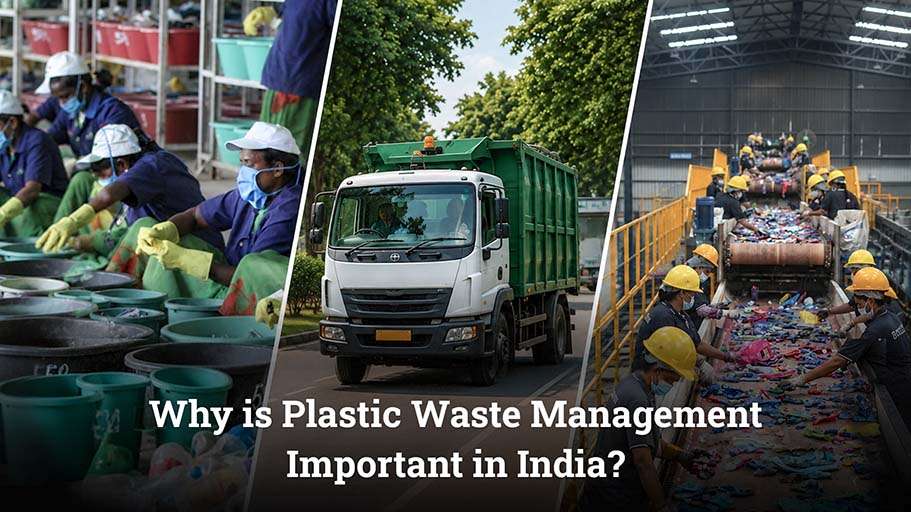
 Why is Plastic Waste Management Important in India?
 How Plastic Recycling Helps Reduce Landfill Waste